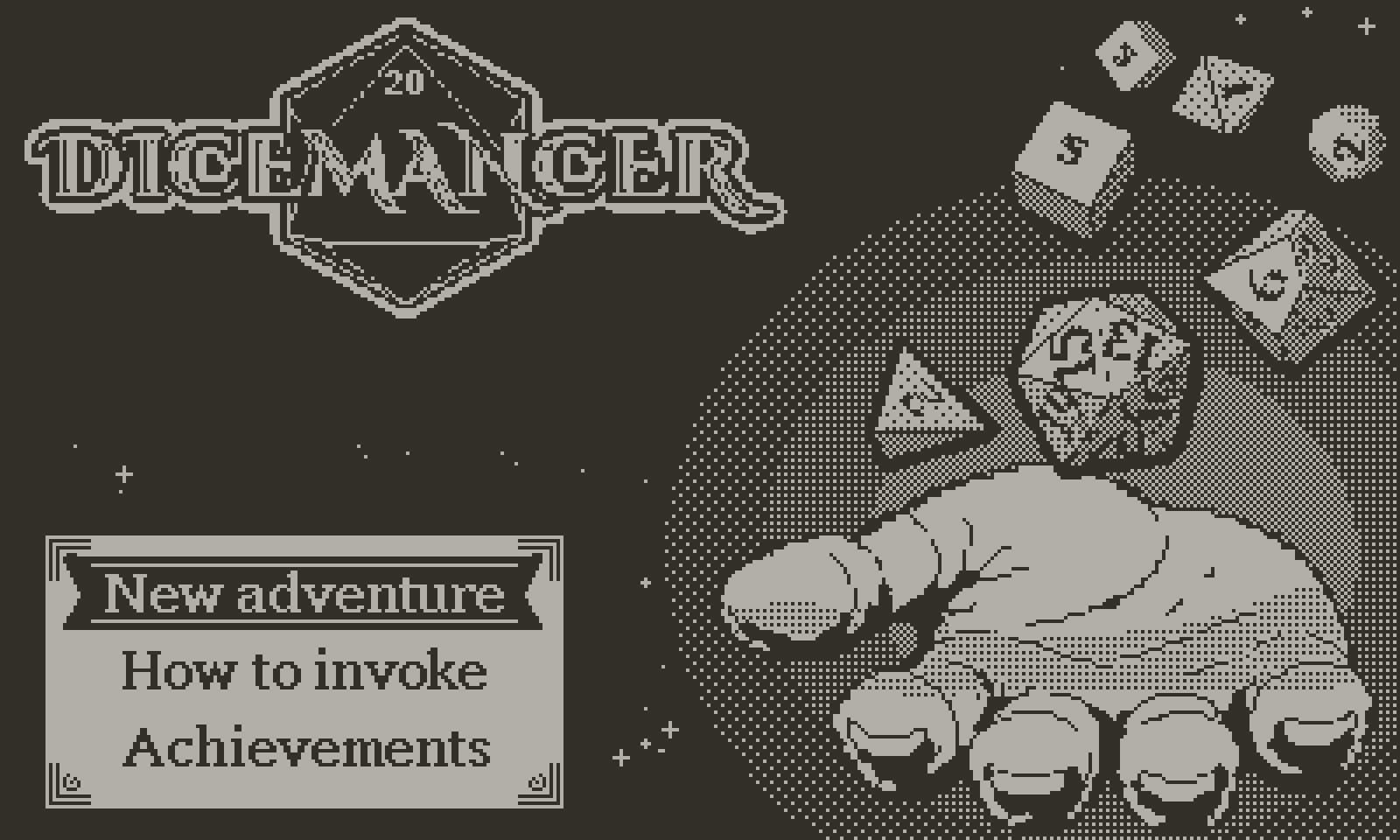
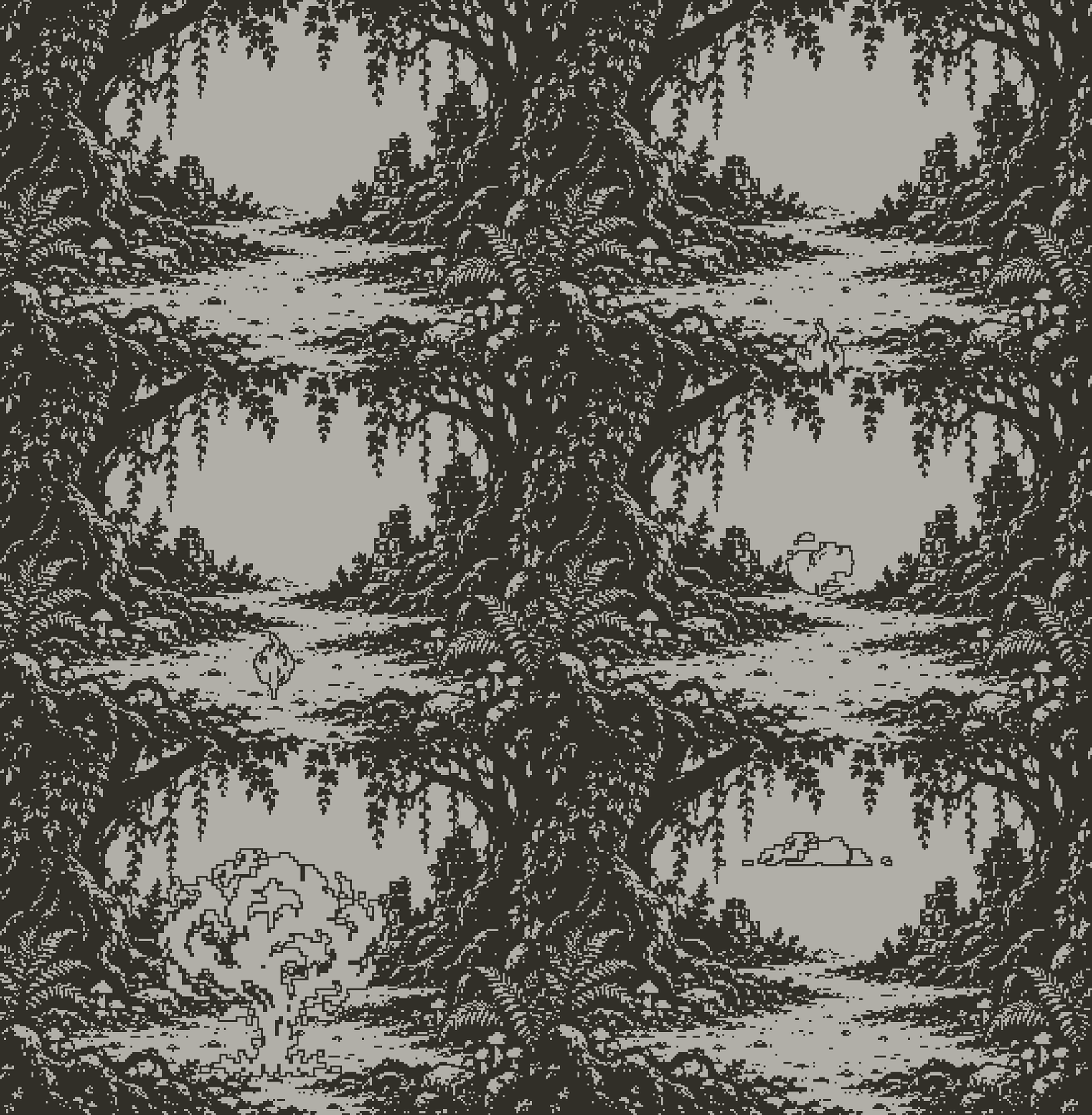
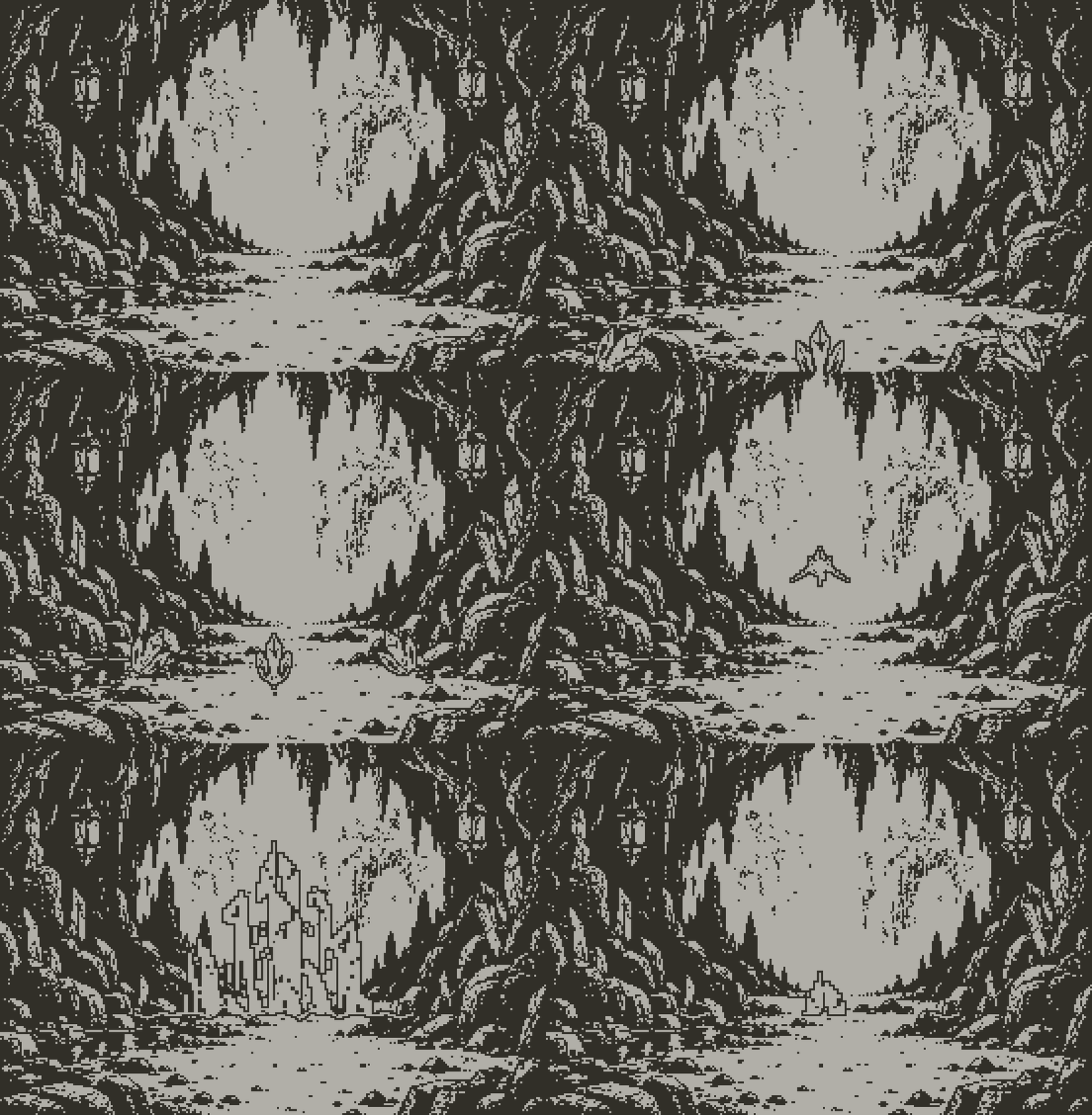
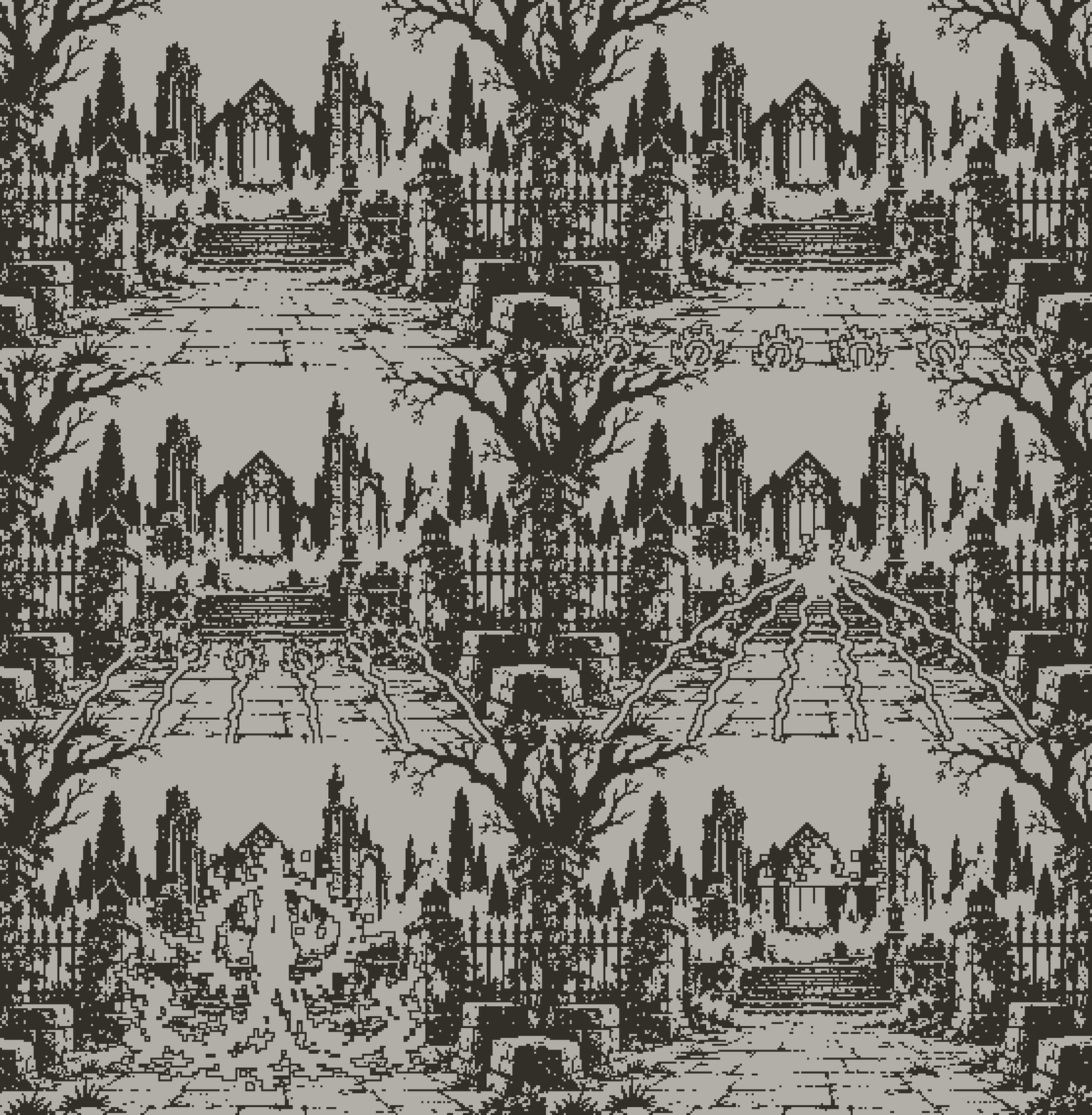
Six hidden dice. One order. The order is the spell.
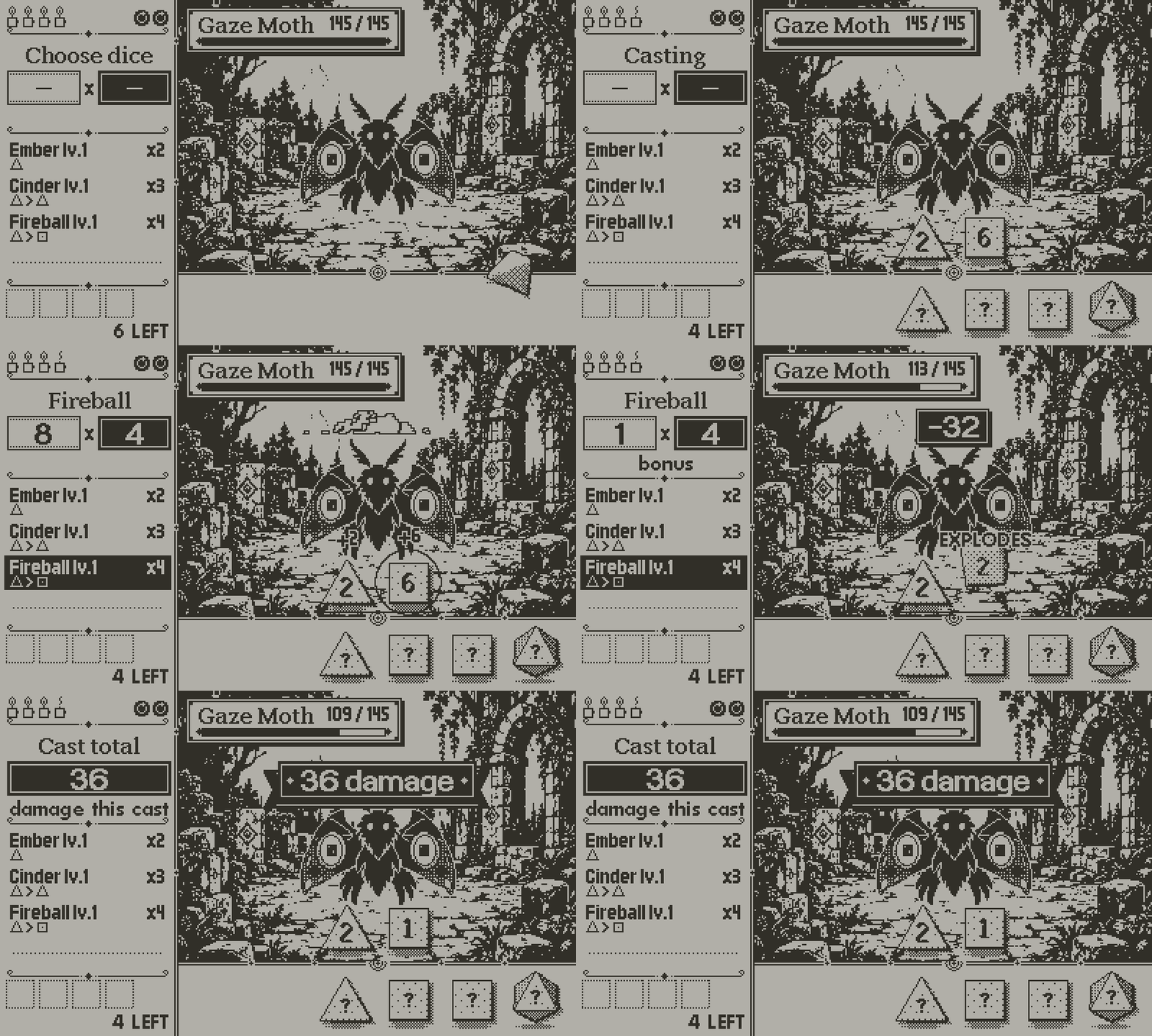
Dicemancer is a little 1-bit dice roguelike. Pick your dice one at a time and the sequence you choose is the spell you cast: a d4 then a d6 is a Fireball, a d6 then a d4 is two small spells instead. Roll the top face and the die explodes and rolls again.
Walk a ruined road through six realms, beat a guardian at the end of each act, and relight the First Hearth.
I · Fact sheet
Fact sheet
Title
Dicemancer
Platform
Playdate
Developer
Vincent (solo)
Release
Coming soon
Price
To be announced
Genre
Dice roguelike, deckbuilder
Content
6 elements, 24 spells, 12 familiars, 12 guardians
The run
3 acts, 7 floors each, a branching map
Events
16 roadside stories
Achievements
24, with Playdate Achievements support
Controls
D-pad, A, B
Players
1
Language
English
Setting
Six realms, from Briarwood Ruins to the Elder Marsh
Dicemancer is a 1-bit dice roguelike for Playdate. Pick six hidden dice in order, because the order is the spell, then walk a ruined road through six realms and relight the First Hearth.
Long description
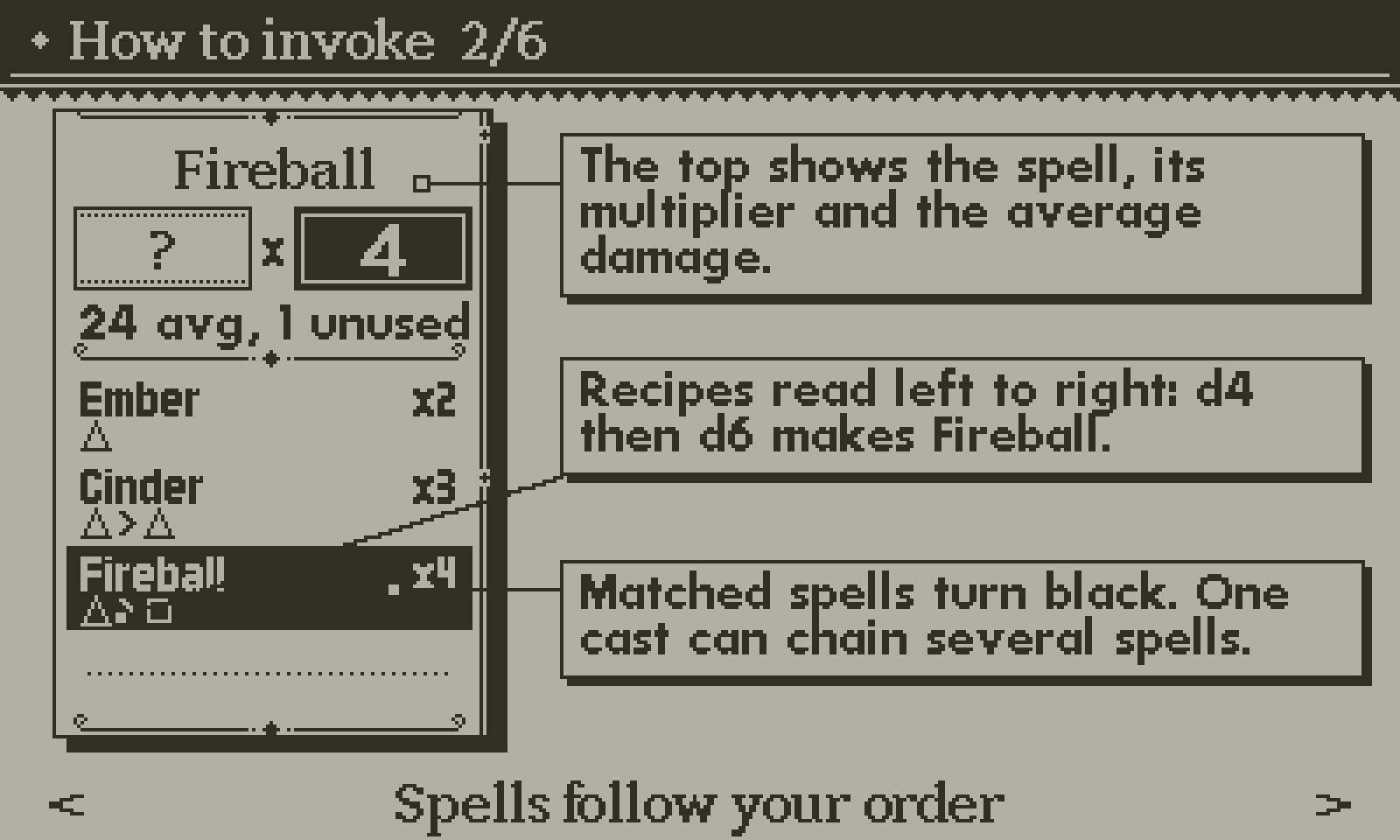
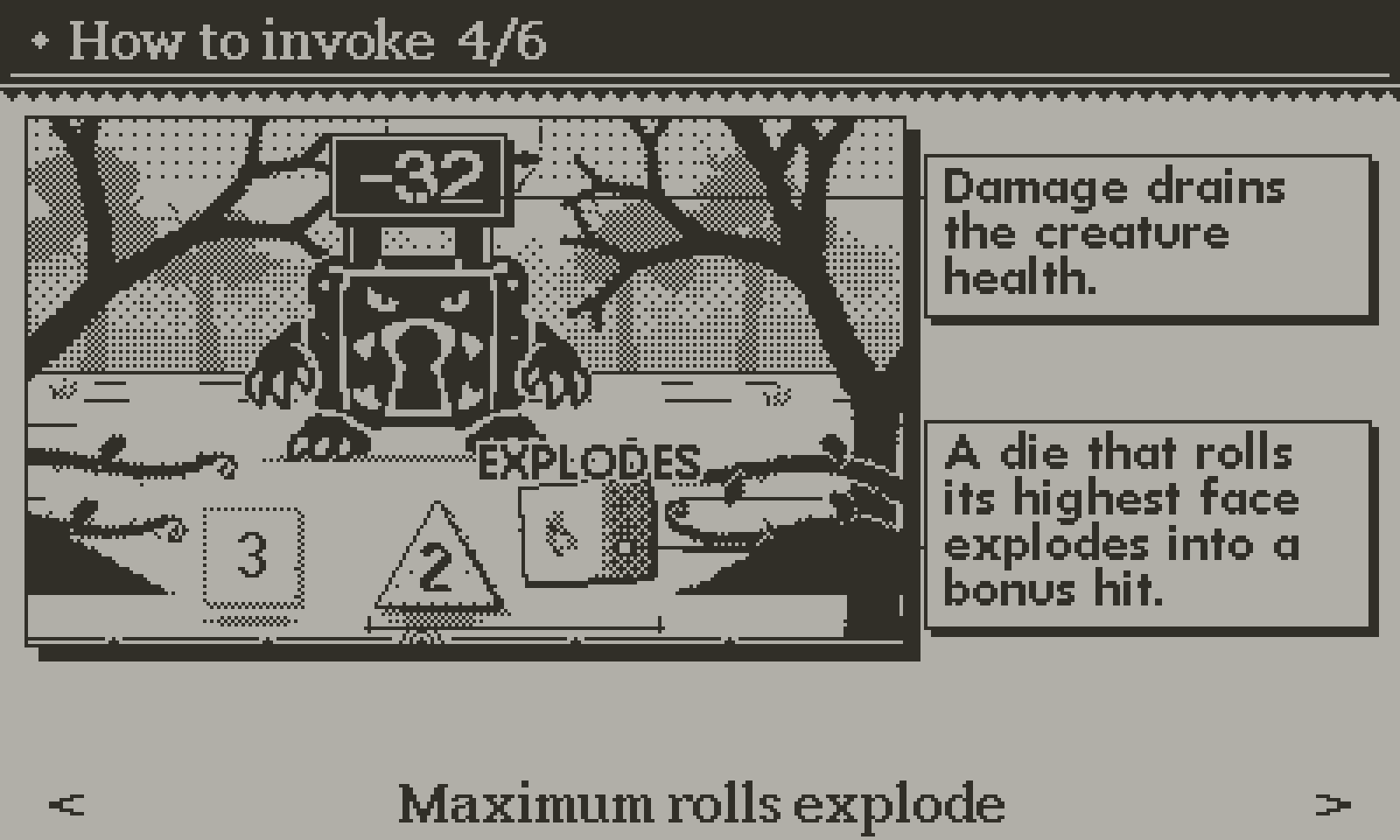
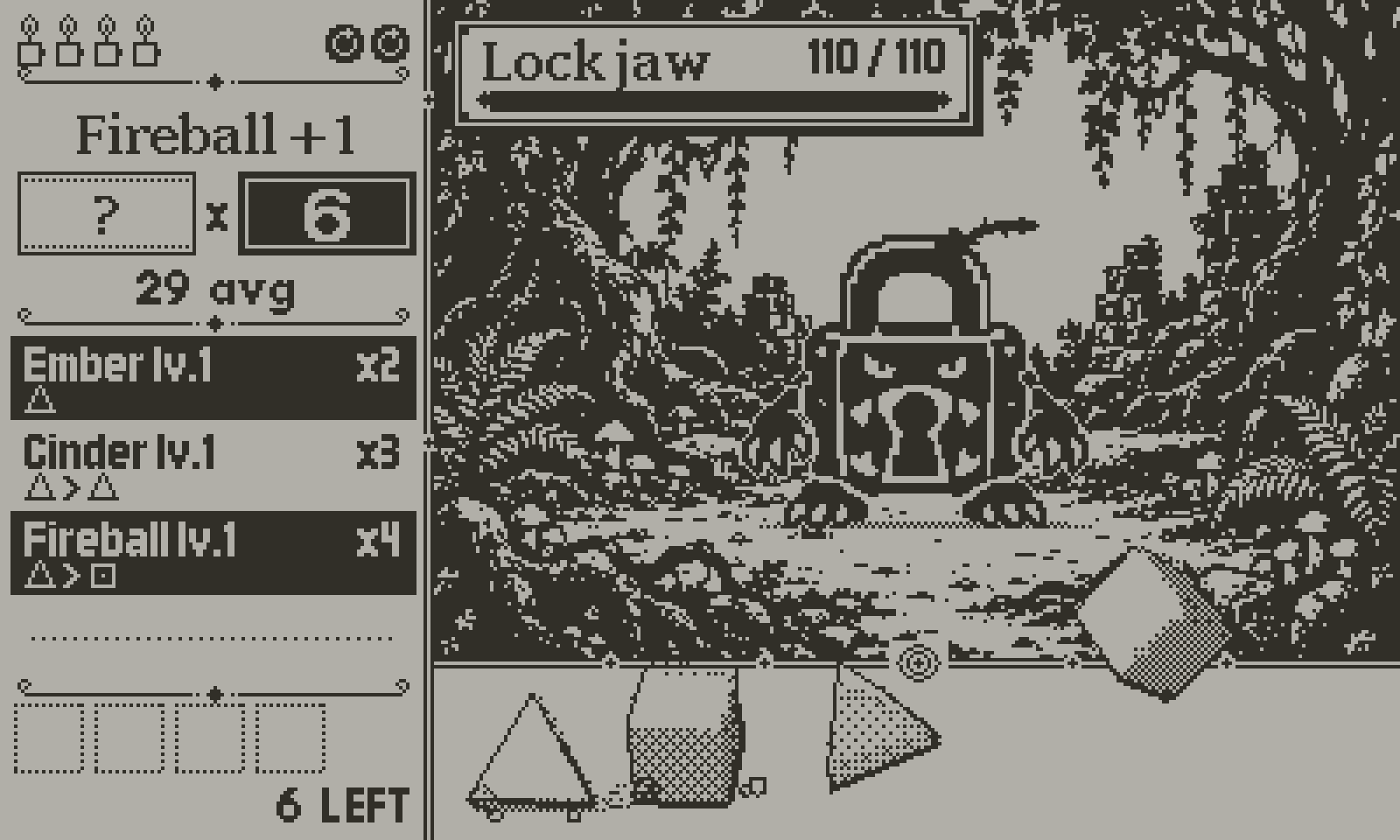
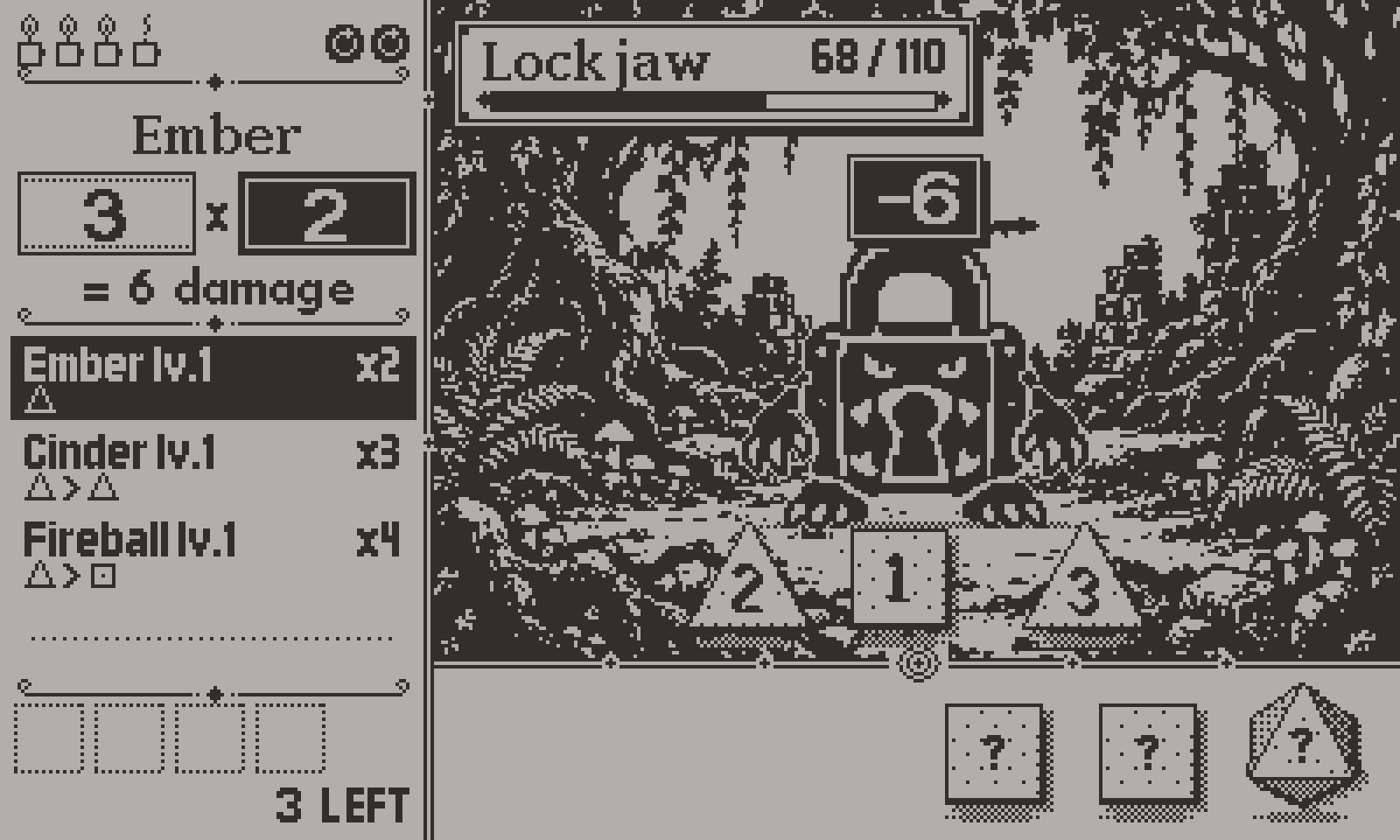
You hold six dice, and you cannot see their faces. Pick them one at a time and the order you choose is the spell you cast. Every spell is a recipe of dice shapes: a d4 then a d6 is a Fireball, while a d6 then a d4 gives you two small spells instead. Cast, and the hidden numbers decide the damage. Roll the top face of a die and it explodes, rolling again for a bonus hit.
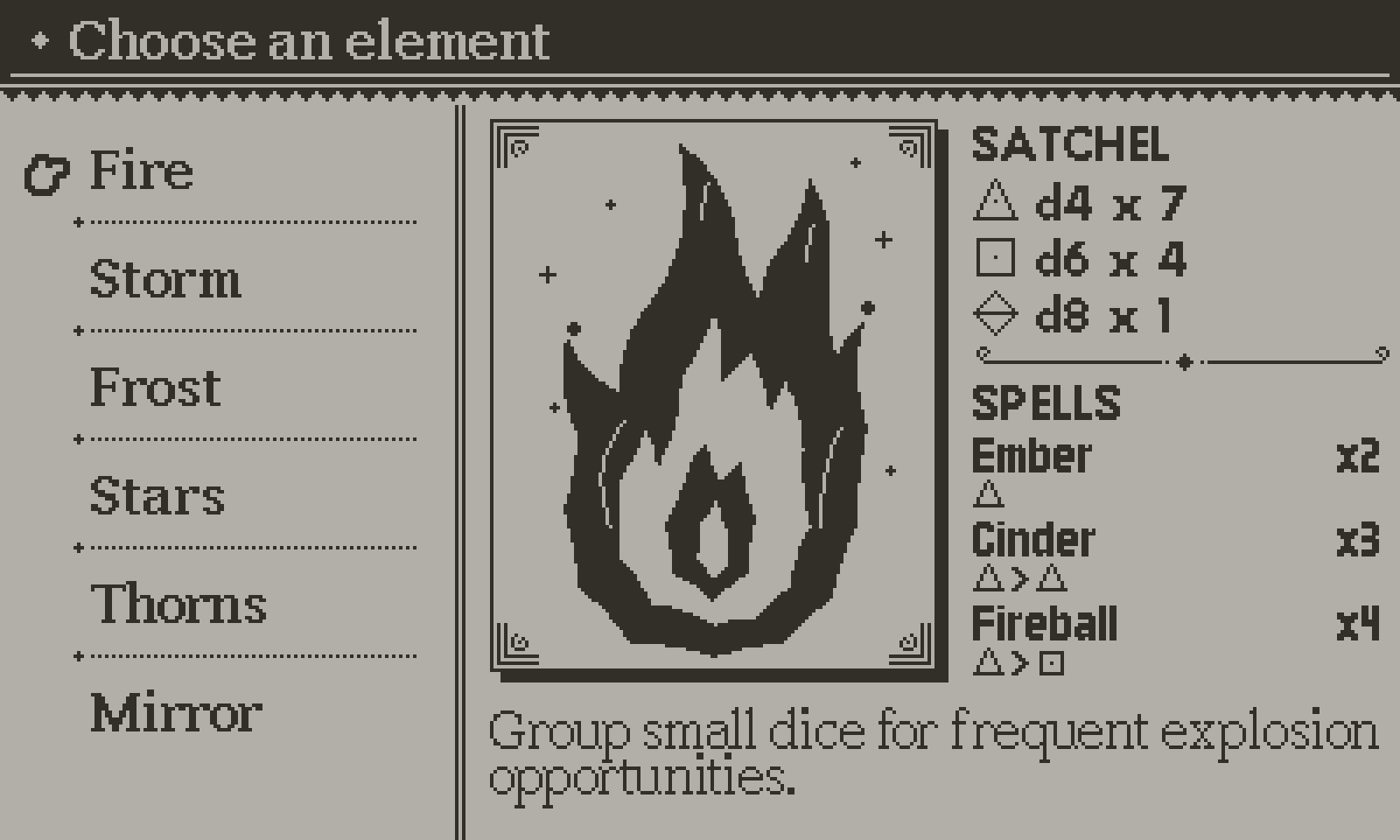
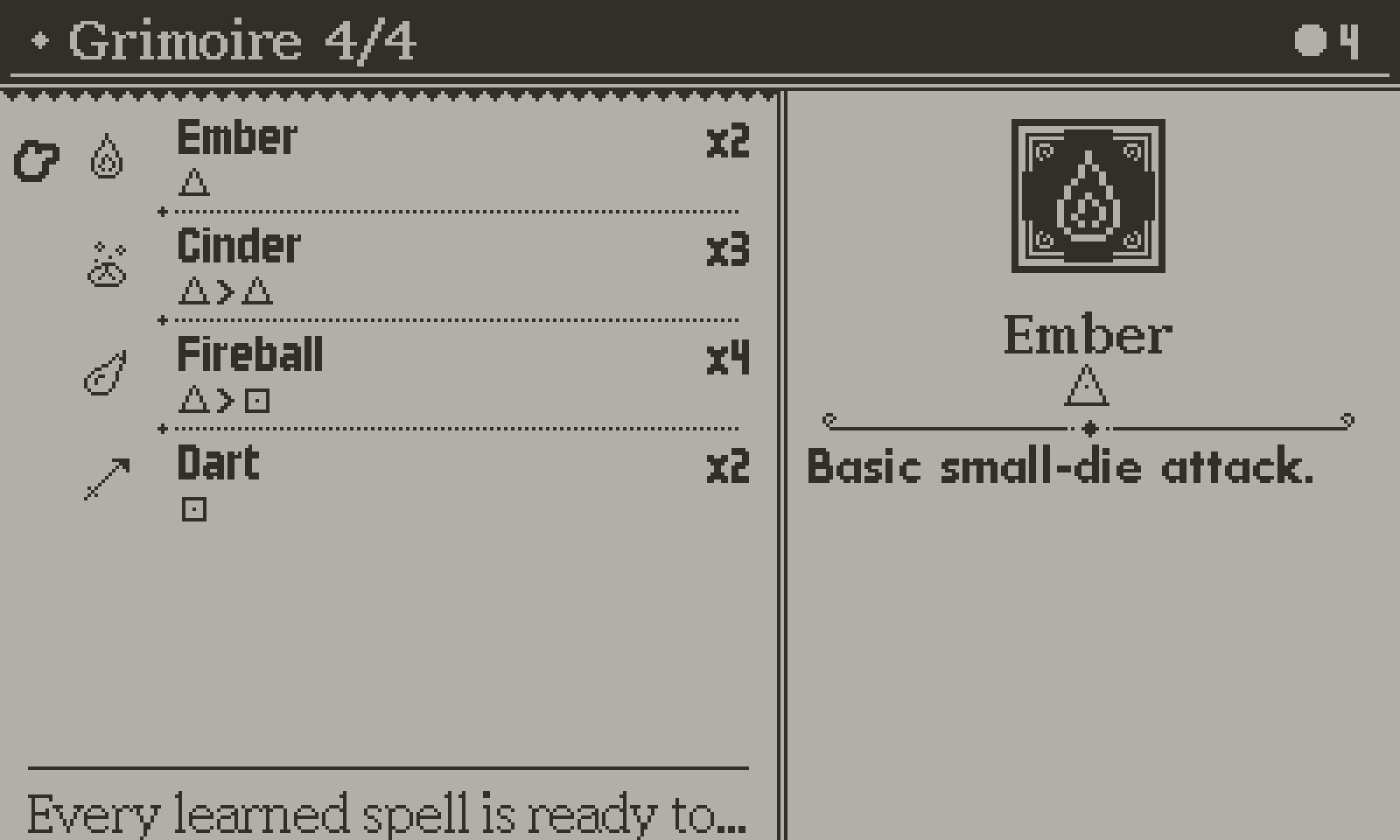
Choose one of six elements: Fire, Storm, Frost, Stars, Thorns or Mirror. Each brings its own dice and its own spells, from a tiny Ember all the way up to a six-dice ritual called Worldfire. Learn up to four spells and arrange your satchel so the dice you draw are the dice you need.
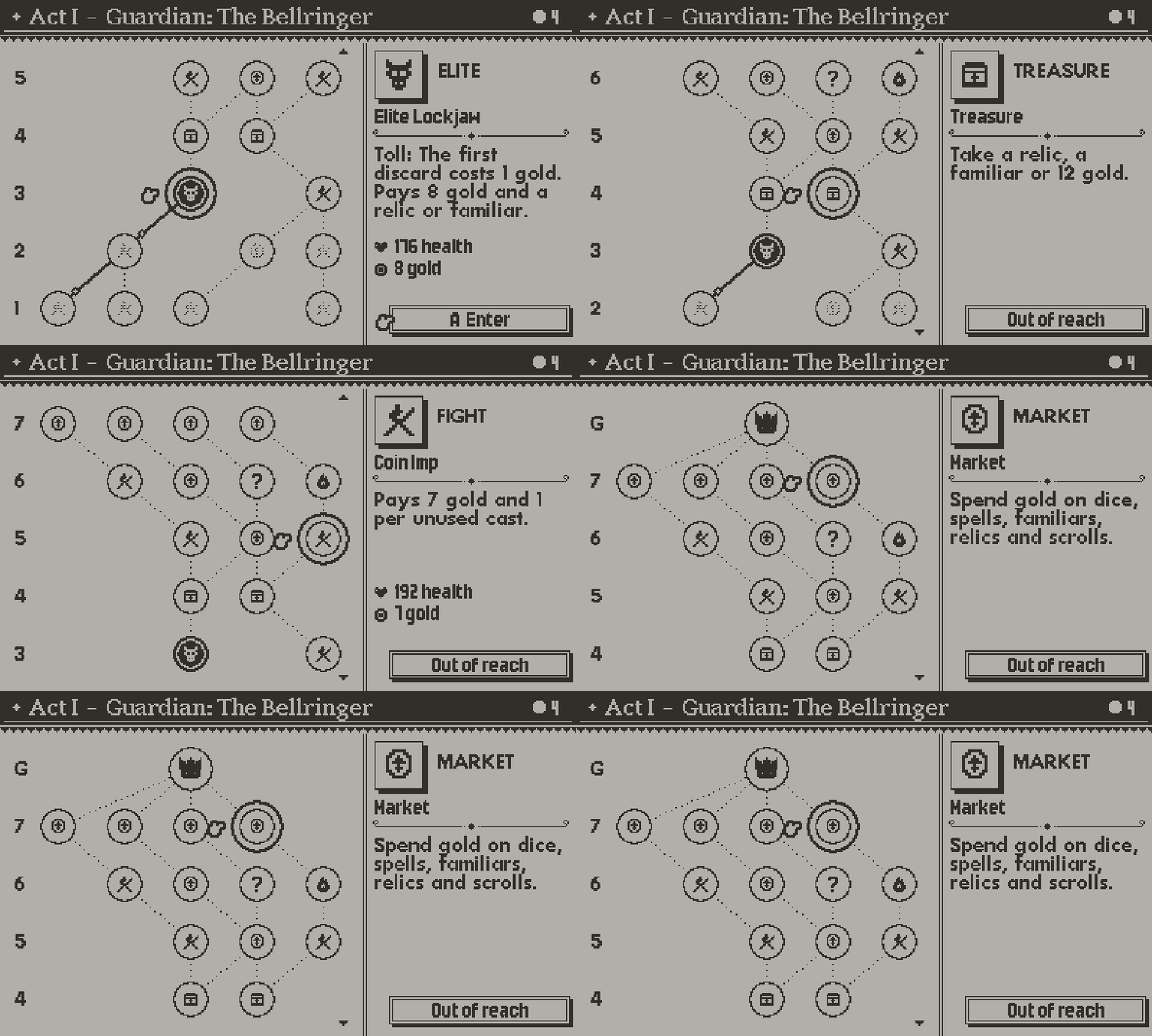
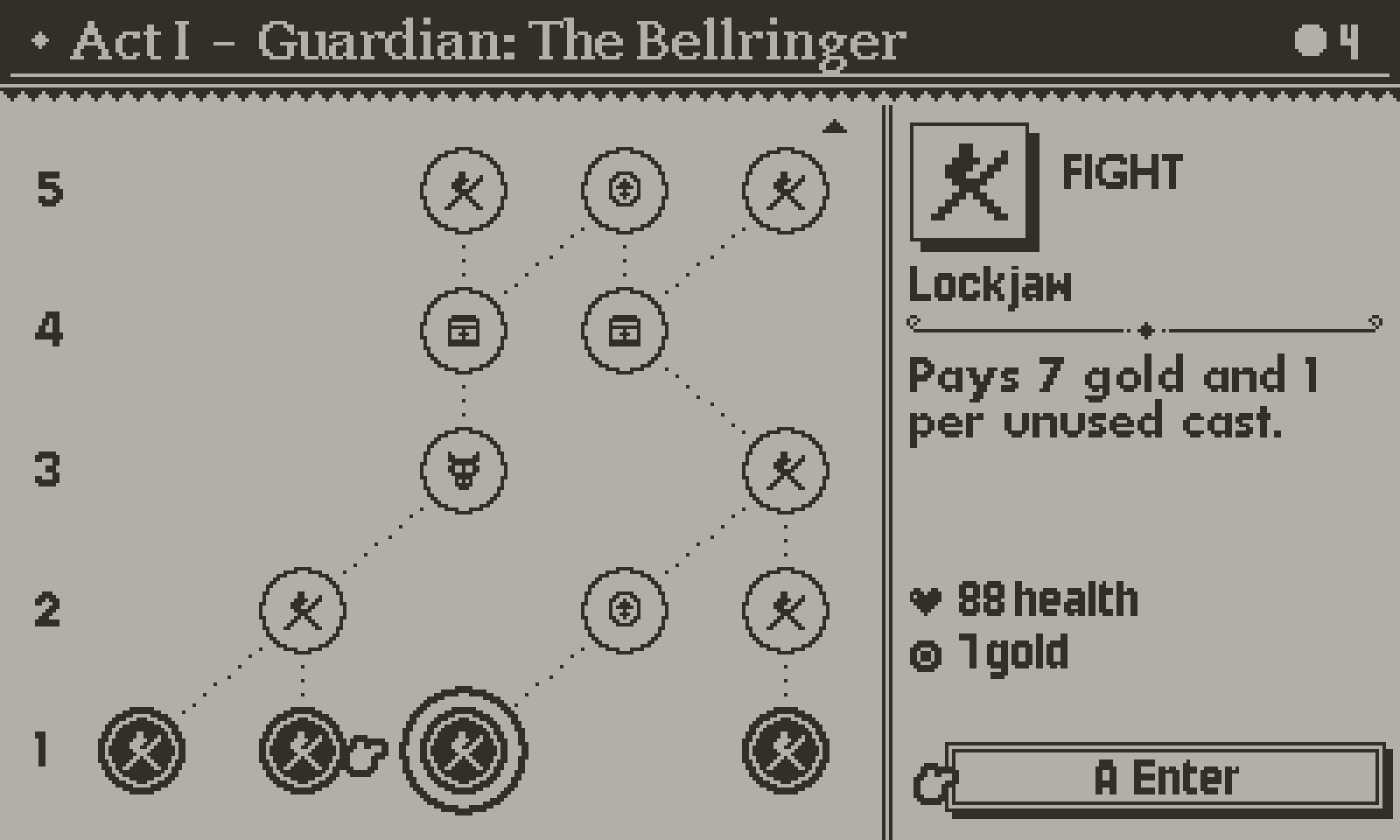
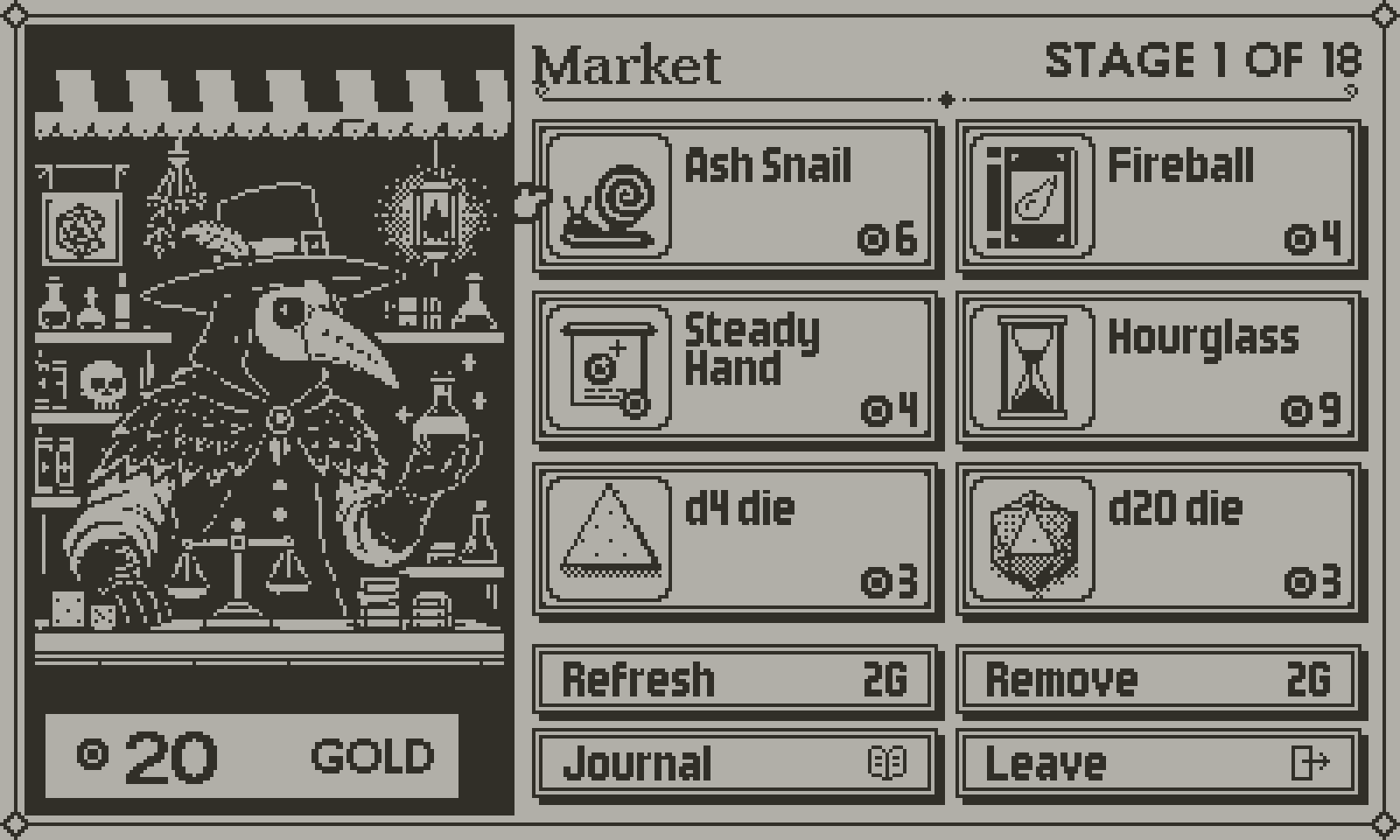
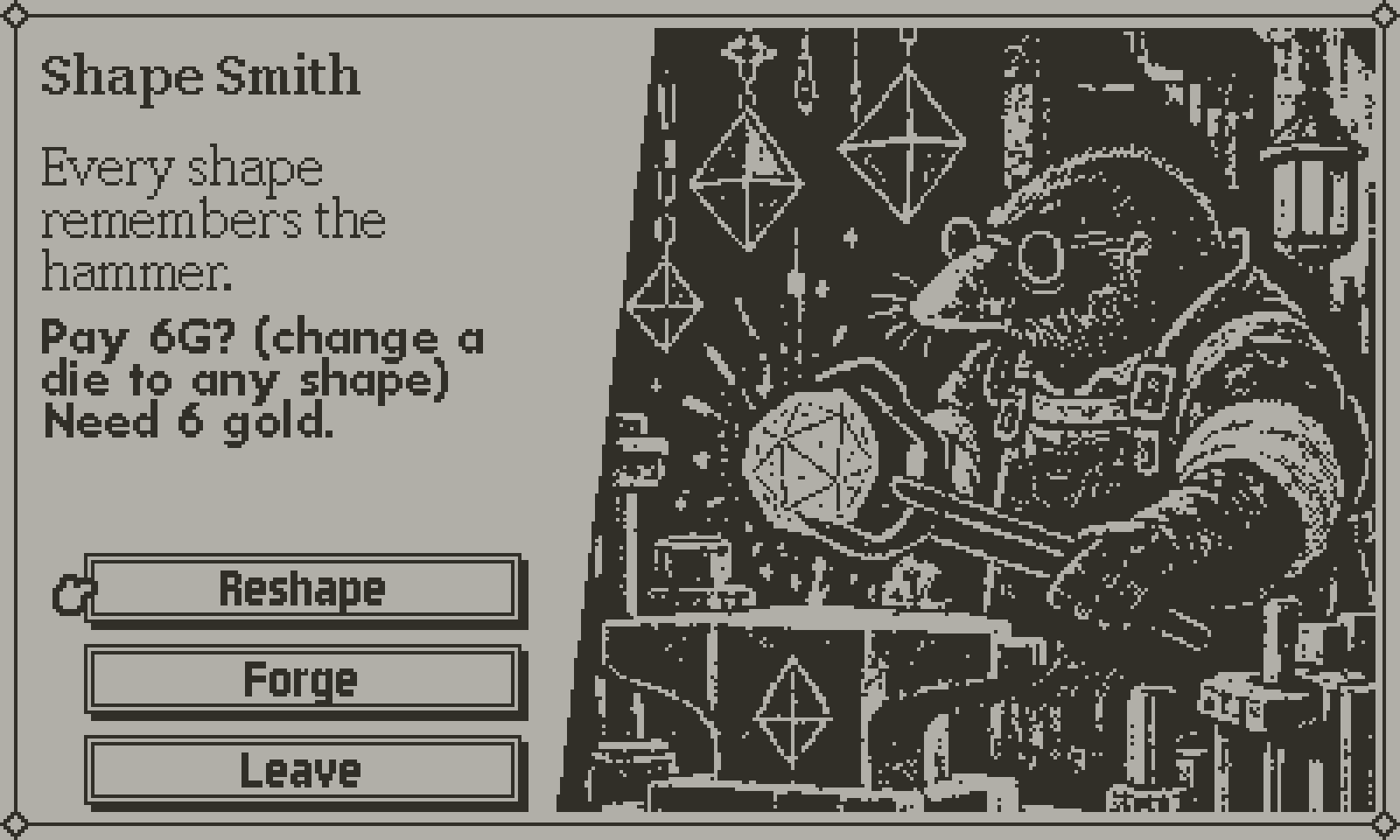
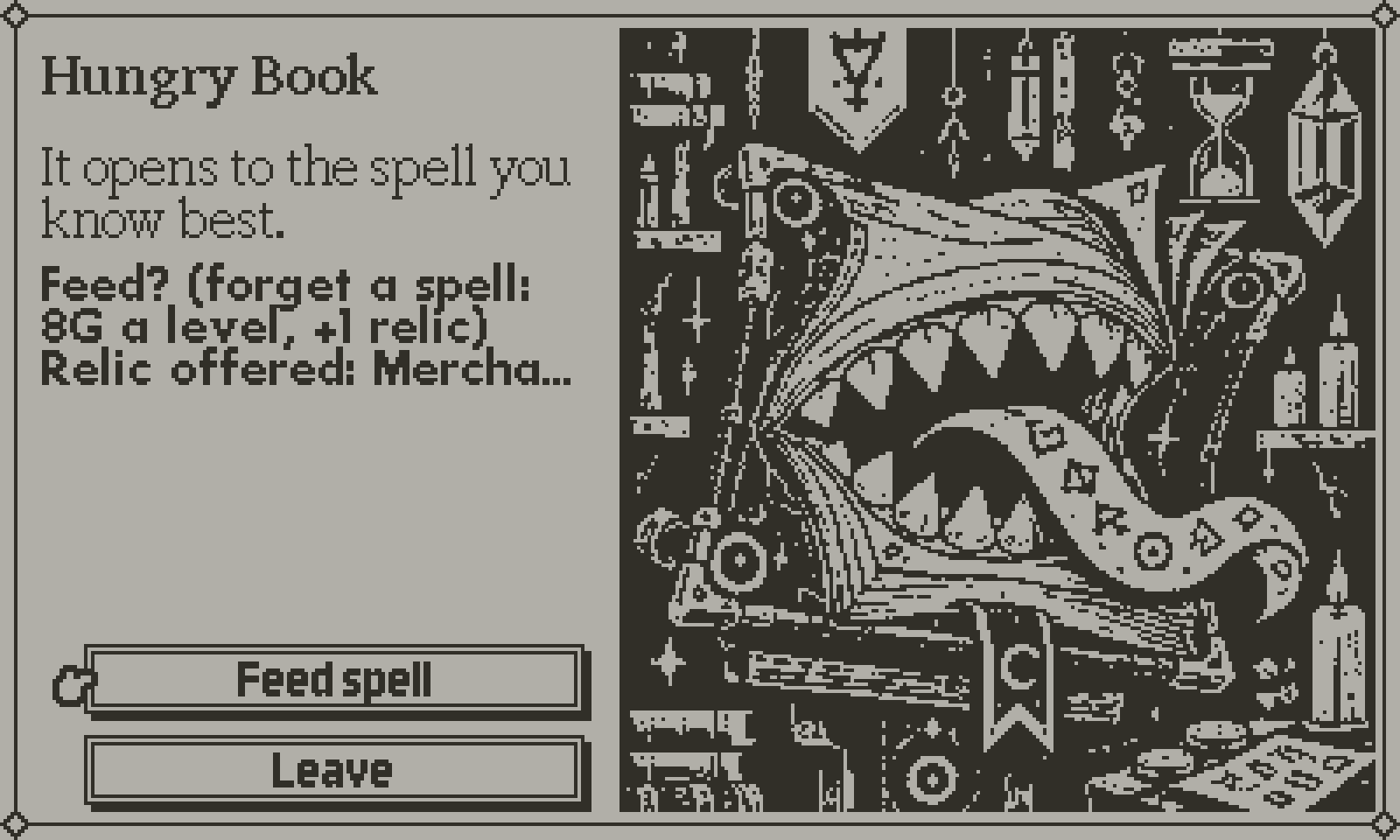
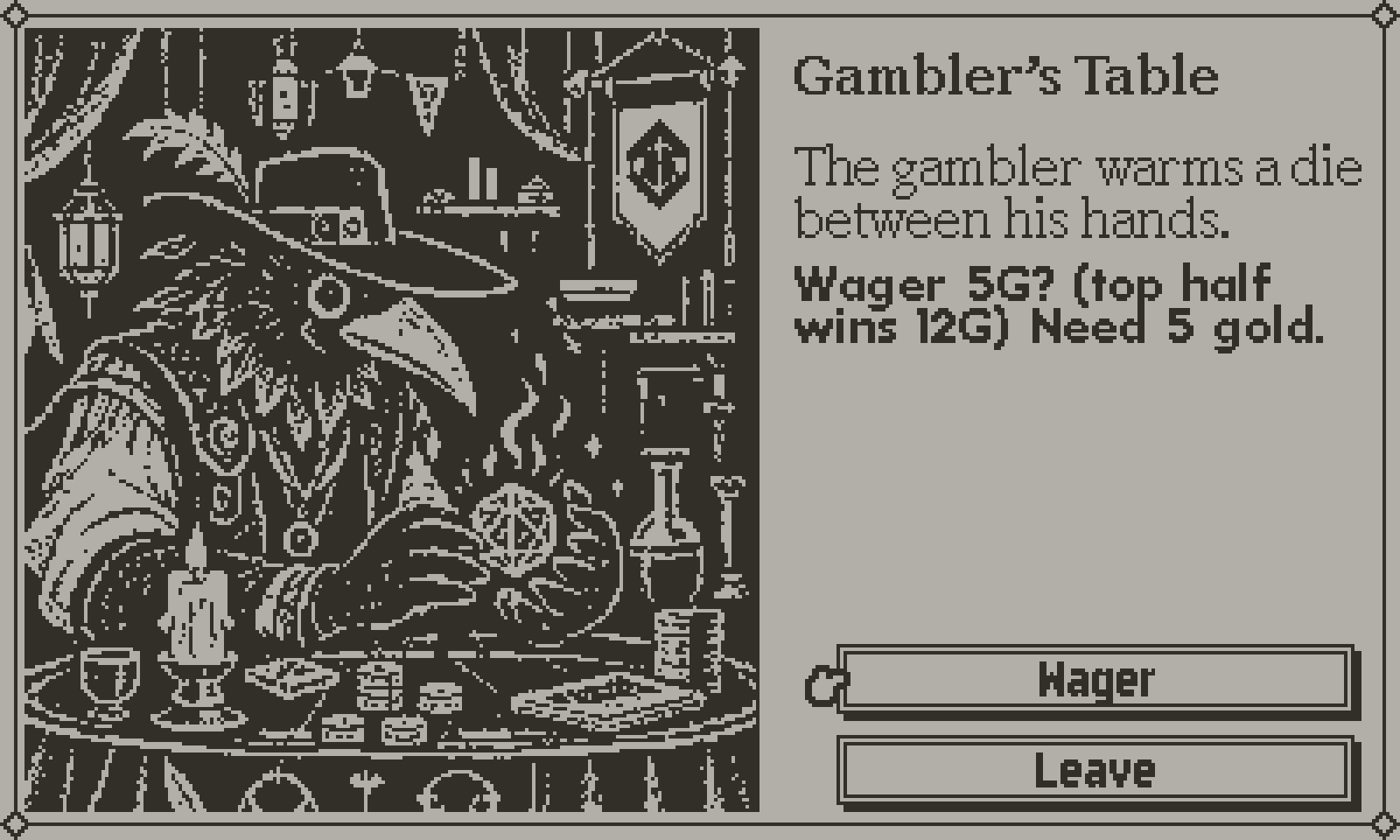
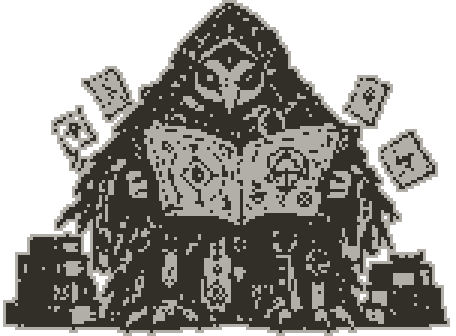
The road is a branching map of three acts and seven floors each, with a guardian waiting at the end of every act. Take fights, elites, mystery stops, markets, hearths and treasure. Pick a branch and the other roads are gone. Along the way, sixteen roadside stories ask what you will pay: bet against a raven, reshape a die at the smith’s anvil, or feed a spell to a very hungry book.
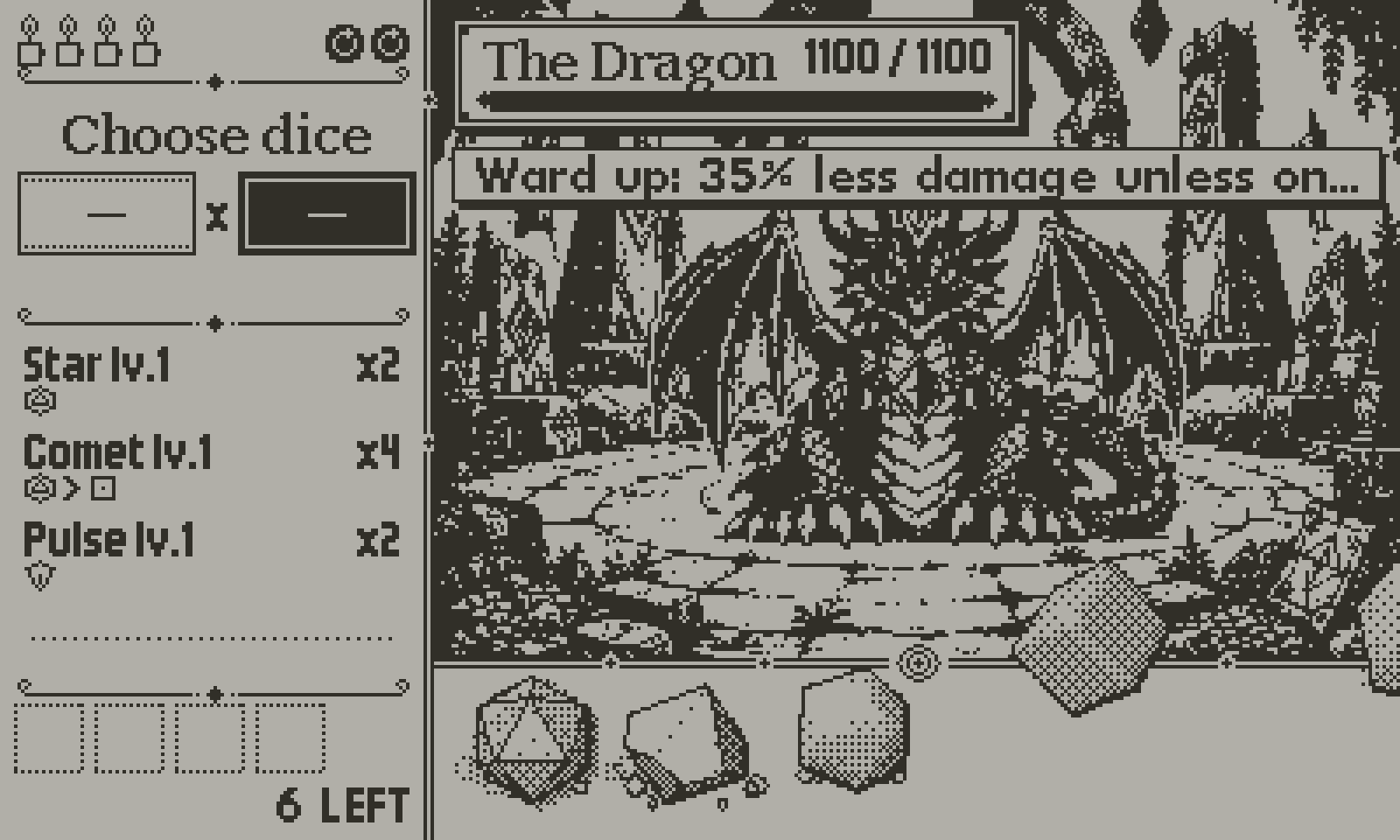
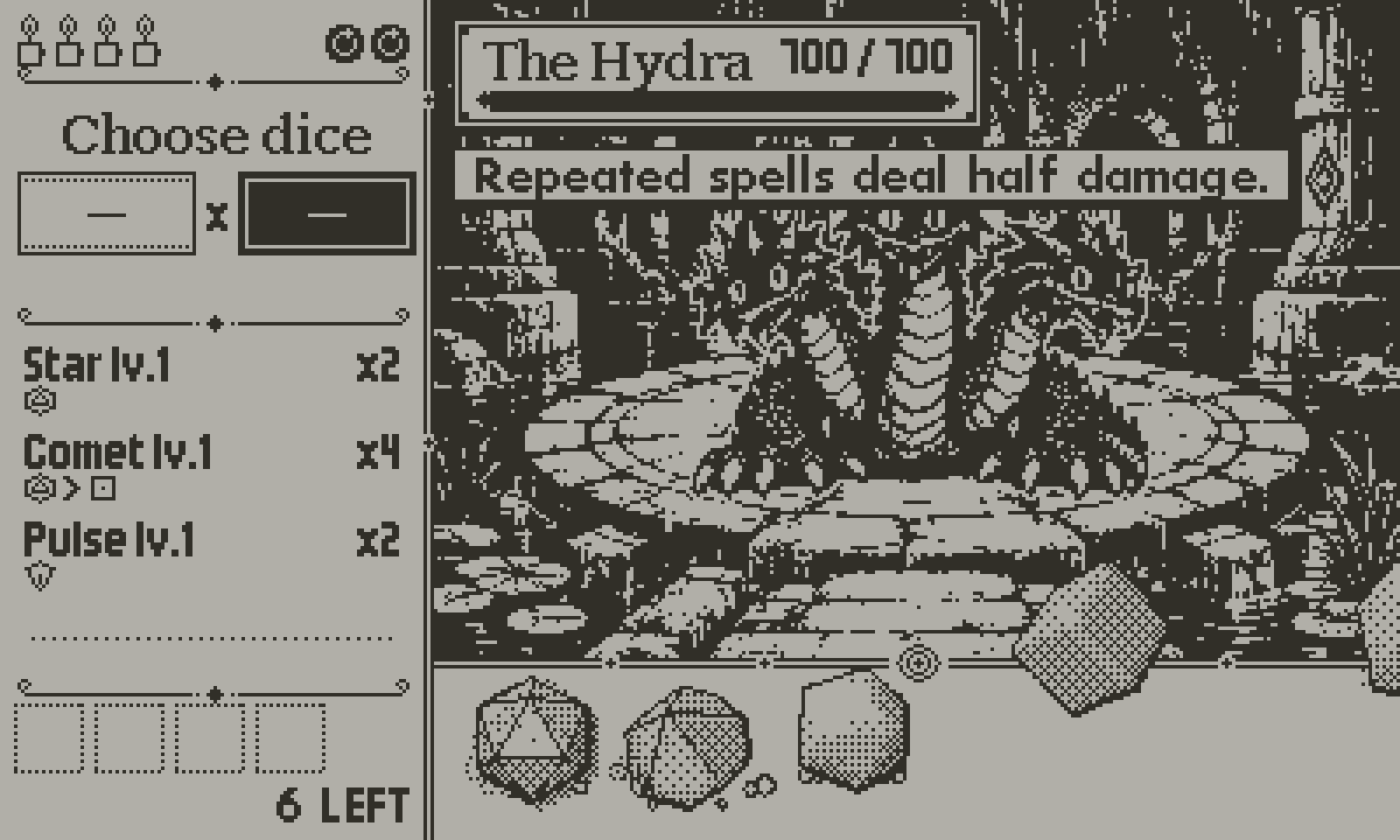
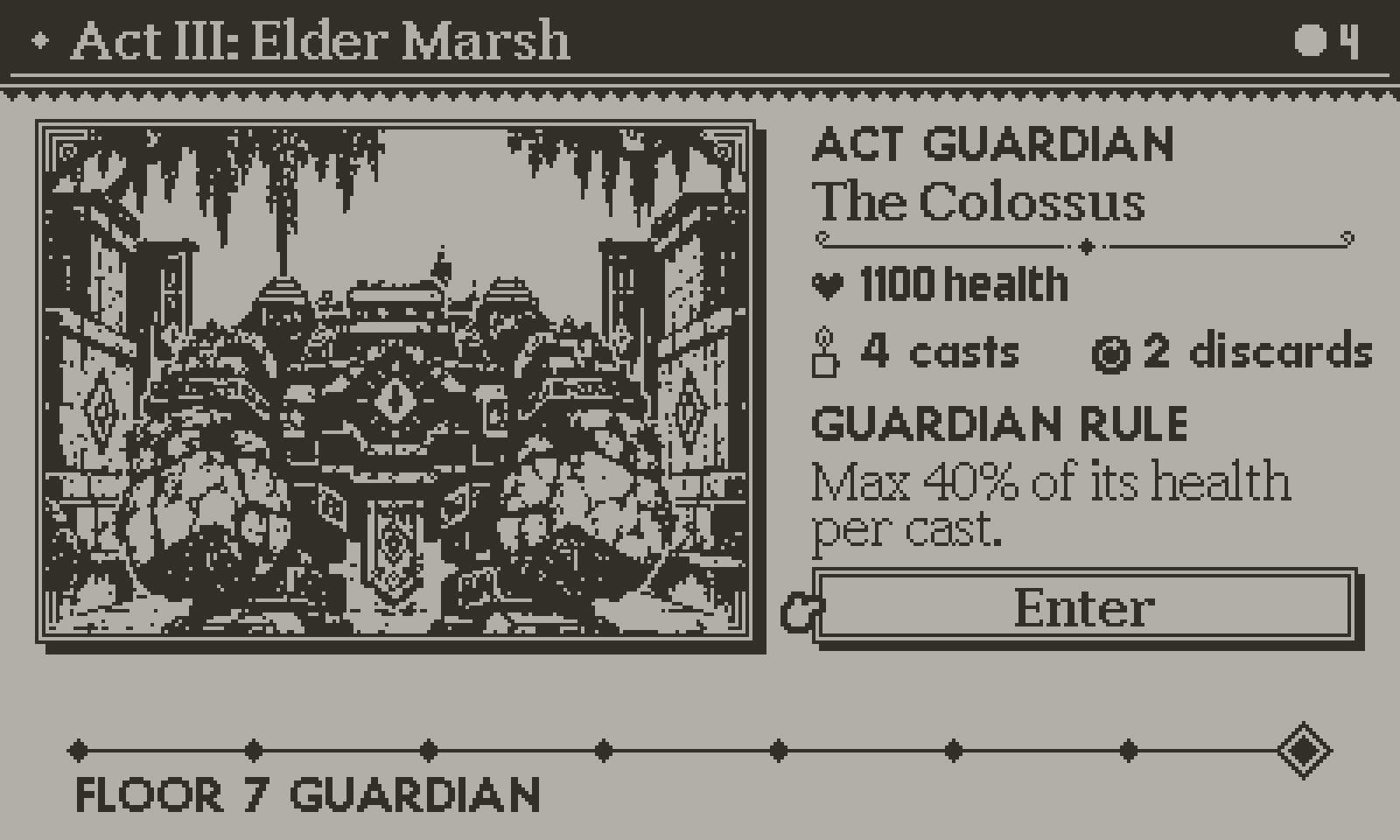
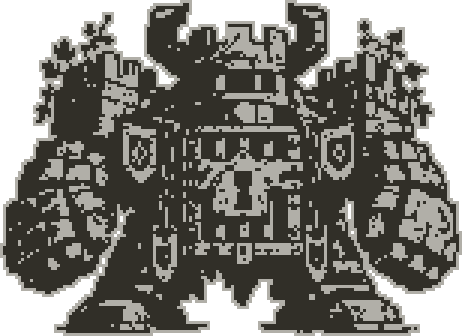
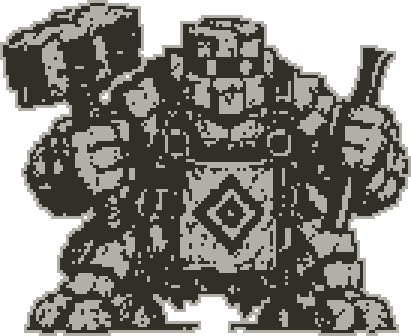
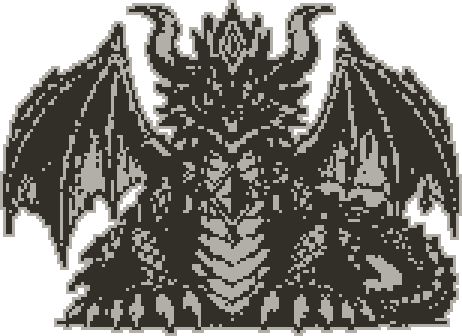
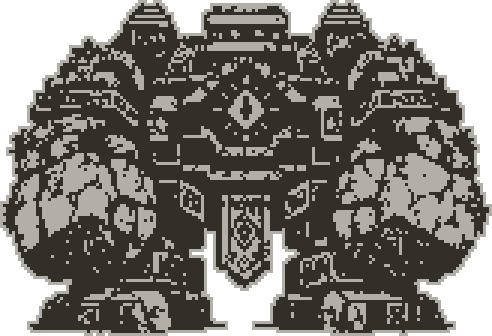
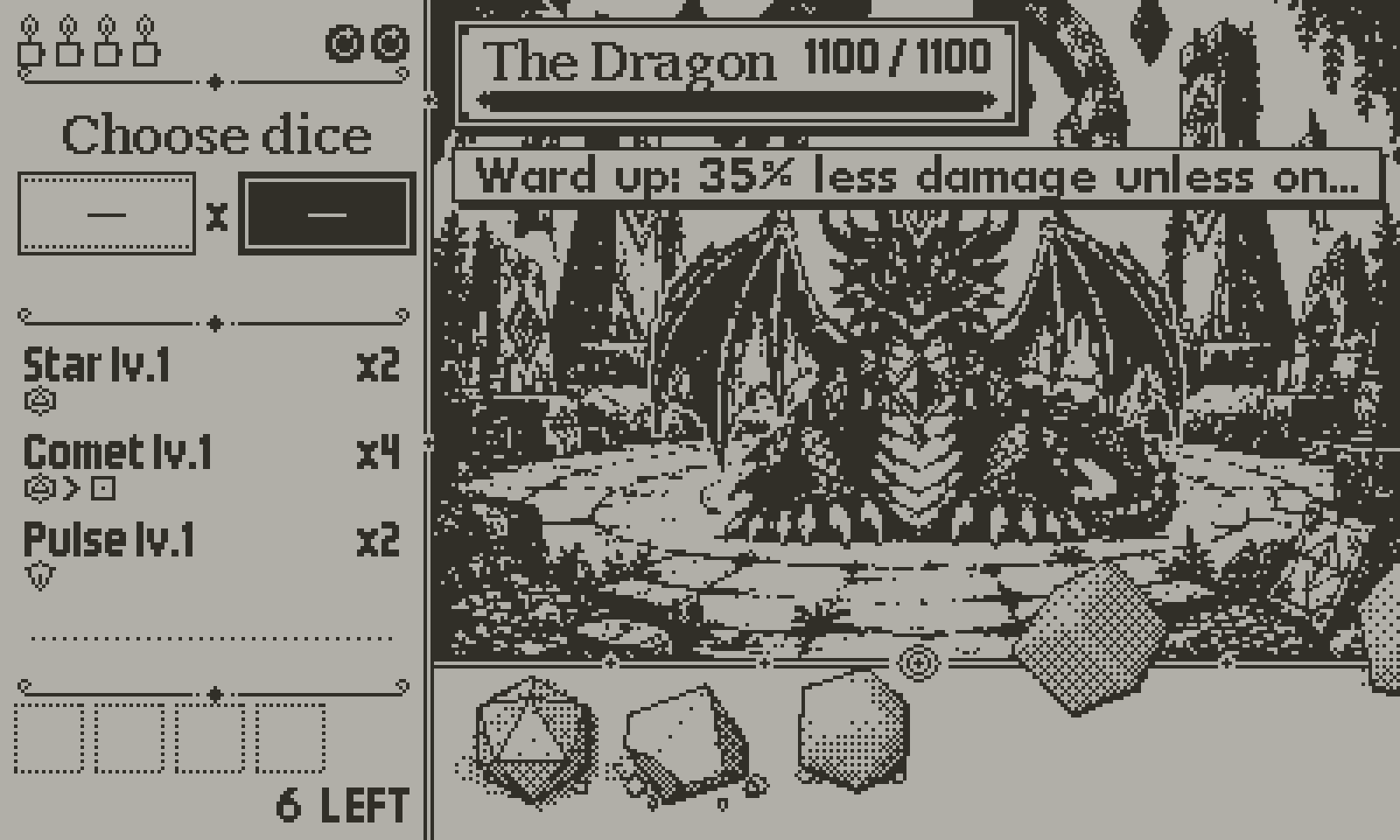
Twelve guardians, three per run, each rewrite the rules. The Dragon’s ward softens your hits until a four-dice spell cracks it. The Colossus caps every cast. The Hydra halves repeated spells. The Marsh Hag jinxes your biggest dice. Learn the rule, then rewrite your plan.
Features
The order is the spell. Six hidden dice, picked one at a time. The same two dice make different magic in a different order.
Six elements, 24 spells. Fire, Storm, Frost, Stars, Thorns and Mirror each come with their own dice and spells. Stack them into rituals up to six dice long. Three elements are open from the start, and every win unlocks the next.
Exploding dice. Roll the top face and the die explodes and rolls again, adding a bonus hit. Small dice explode often, big dice hit hard.
A branching road. Three acts, seven floors each, and a guardian at the end of each. Fights, elites, mystery stops, markets, hearths and treasure. Choose a branch and the others close.
Sixteen roadside stories. A gambler, a shape smith, a mirror pool, an altar, a hungry book. Everything costs something, or pays something.
Twelve guardians. Three per run, each with a rule that changes how you cast. Elite champions raise the stakes on the way.
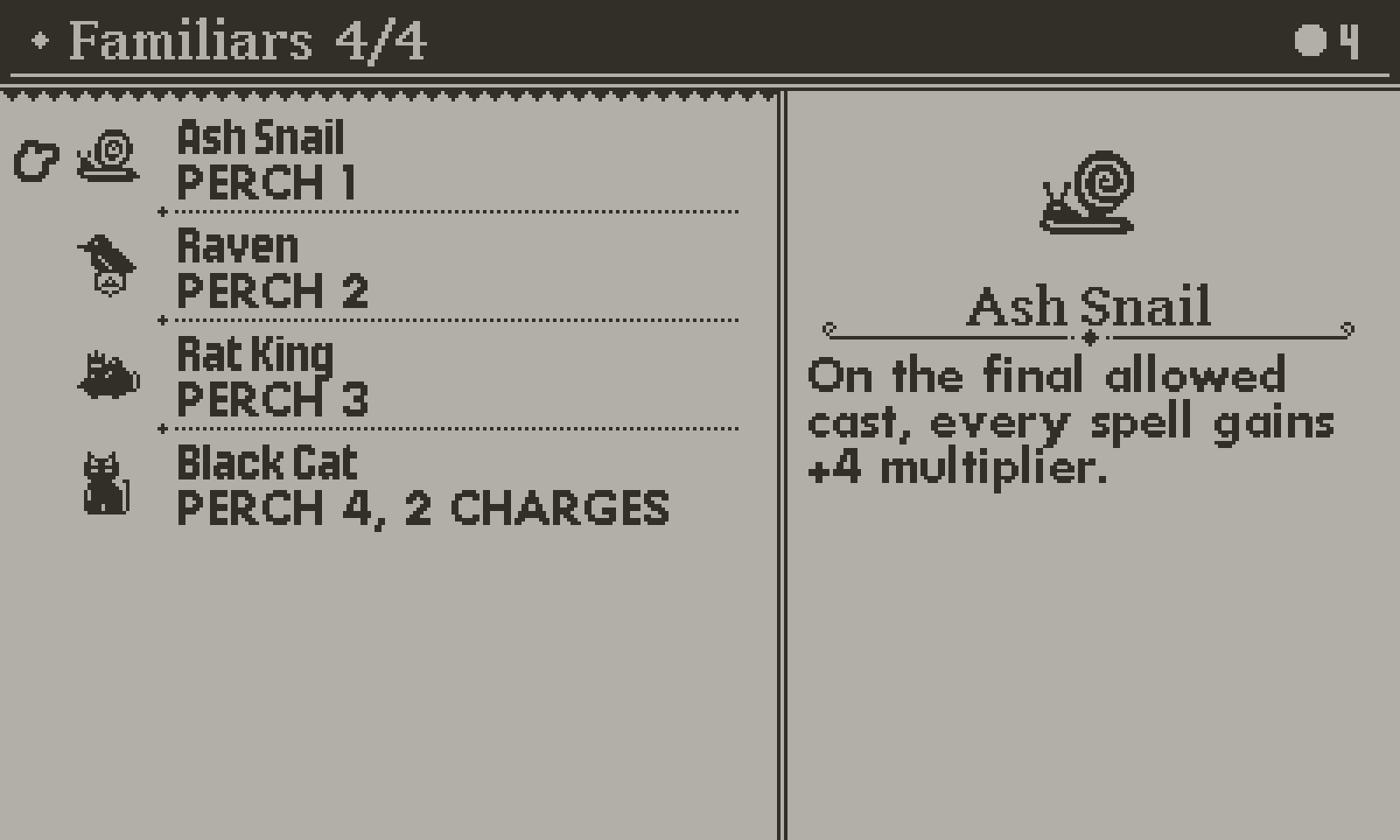
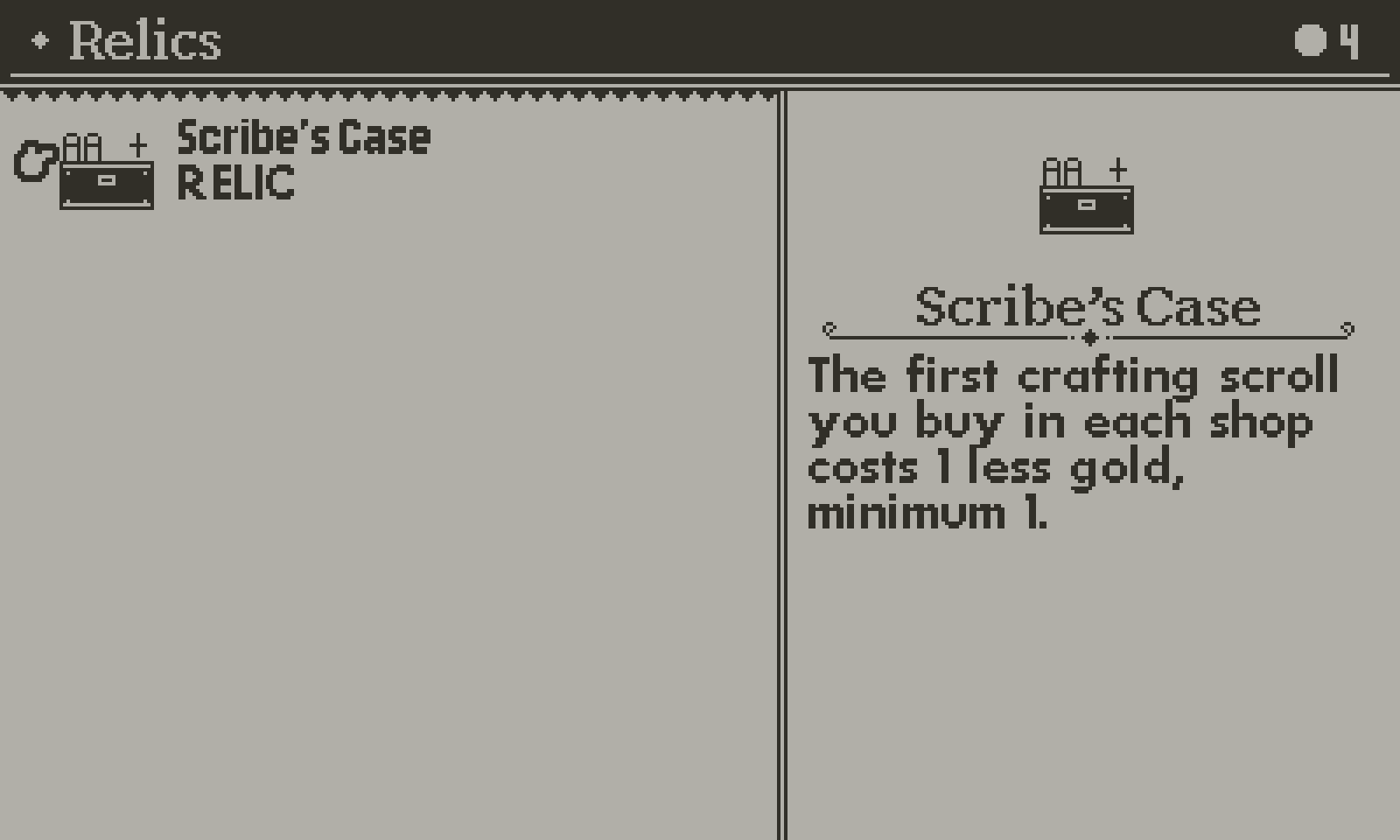
Build your own luck. Twelve familiars that act on their own, five relics, ten crafting scrolls, five rites and six dice enchantments reshape your dice and spells between battles.
No menus in battle, just dice. Every unlockable works passively. You select, order and cast. Everything else resolves on its own.
Made for the Playdate screen. Static 1-bit pixel art for every realm, creature and event, with full music and sound, and 24 achievements that appear in the Playdate Achievements viewer.
IV · How it plays
How it plays
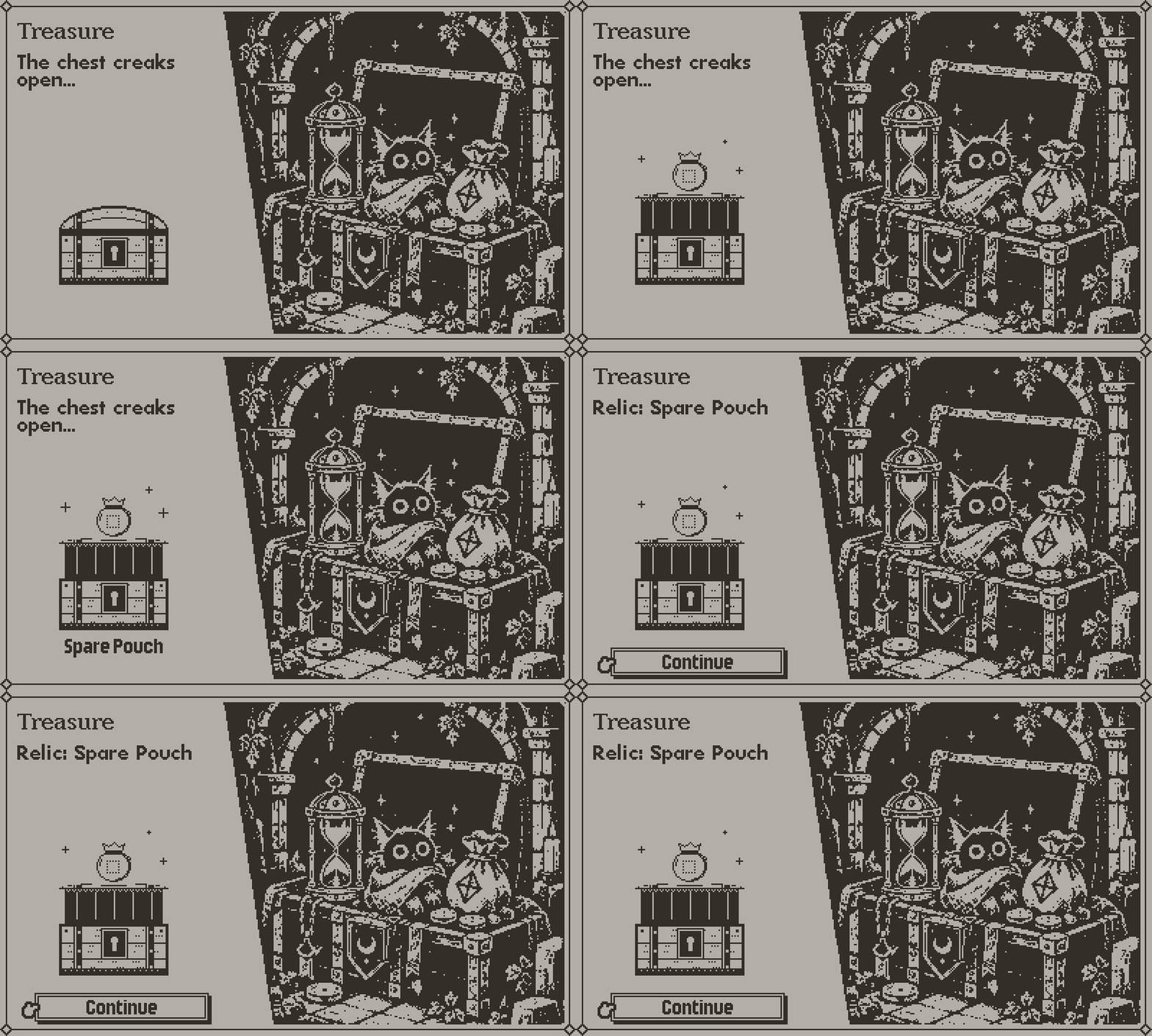
The order is the spellA d4 then a d6 casts Fireball. Flip the order and you cast two small spells instead.The road branchesPick a branch and the other roads are gone.TreasureRoadside chests hide relics, gold and familiars.FireballOne of 24 spell animations, 42 frames each.GlacierA Frost ritual.WorldfireThe six-dice finisher.
V · How to play
How to play
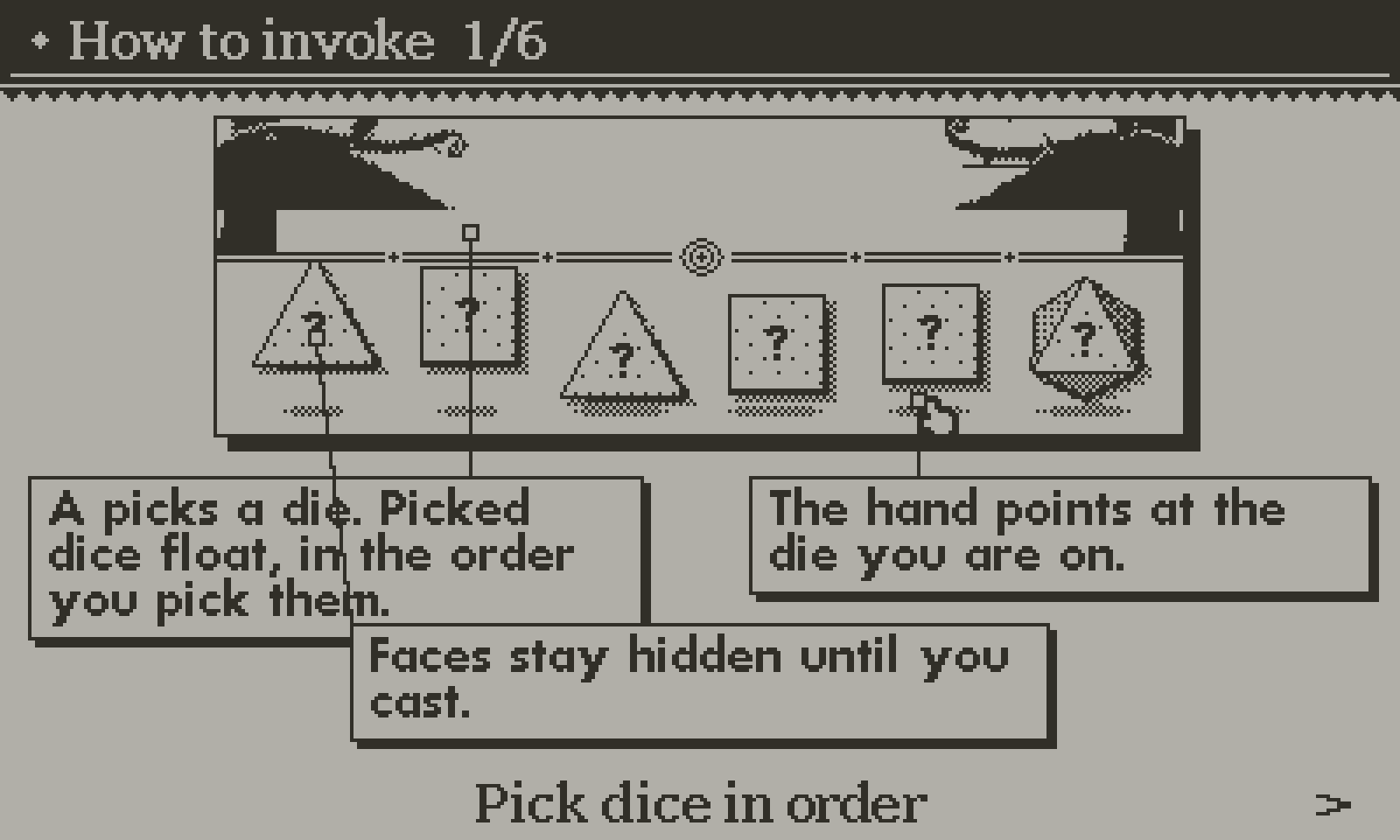
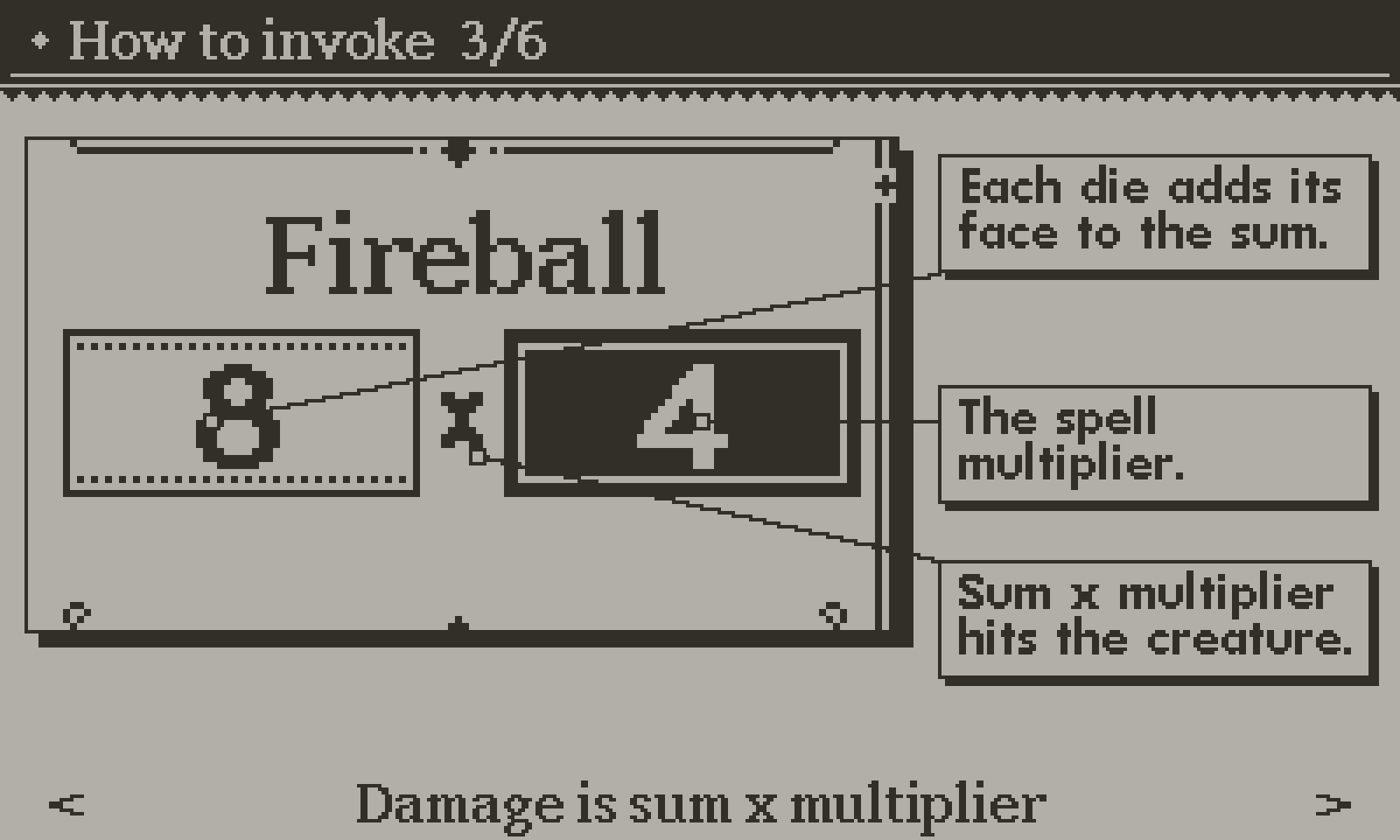
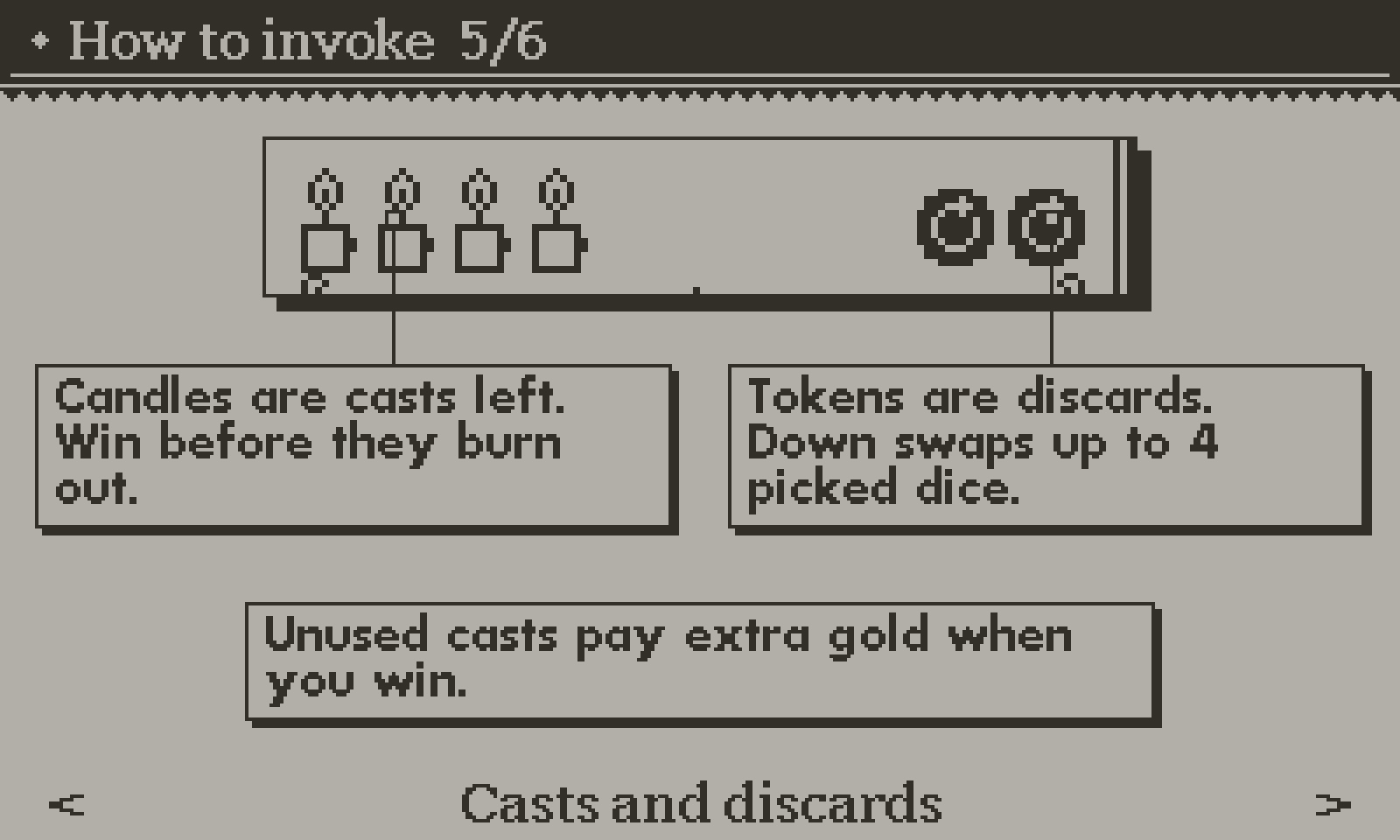
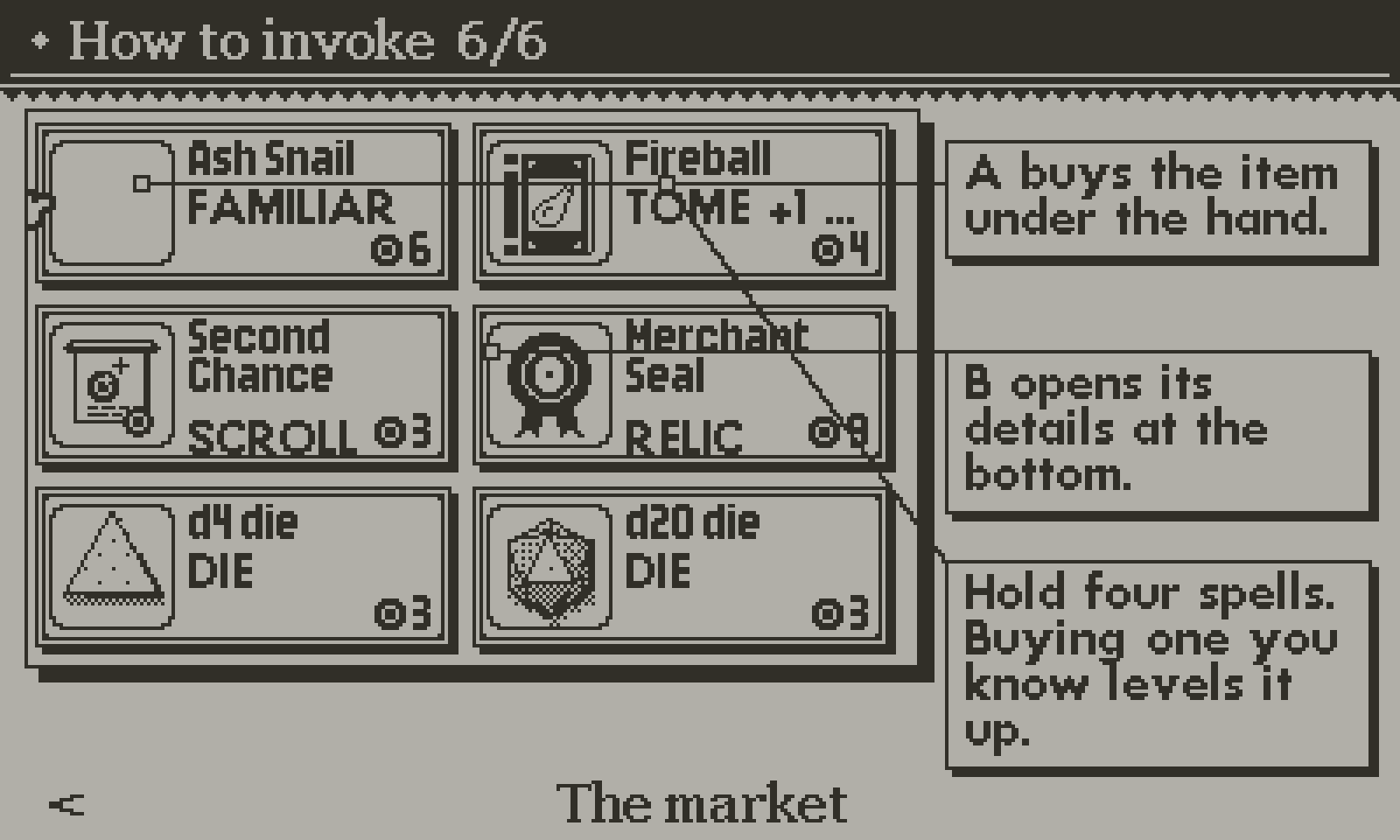
The in-game tutorial, “How to invoke”, teaches the whole battle in six illustrated pages: picking dice in order, the spell chain, damage as sum times multiplier, exploding dice, casting, and the market.
How to invoke, 1 of 6How to invoke, 2 of 6How to invoke, 3 of 6How to invoke, 4 of 6How to invoke, 5 of 6How to invoke, 6 of 6
VI · Screenshots
Screenshots
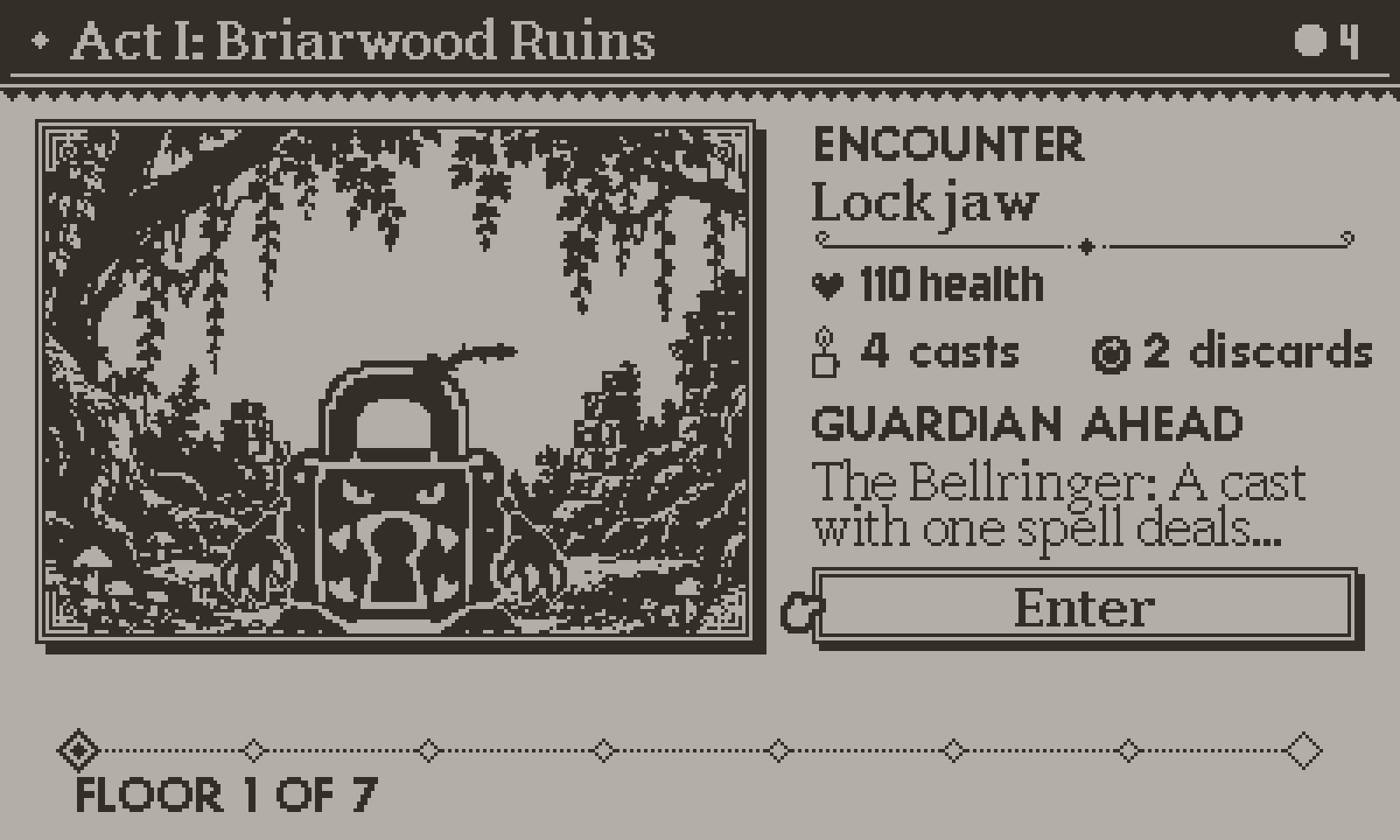
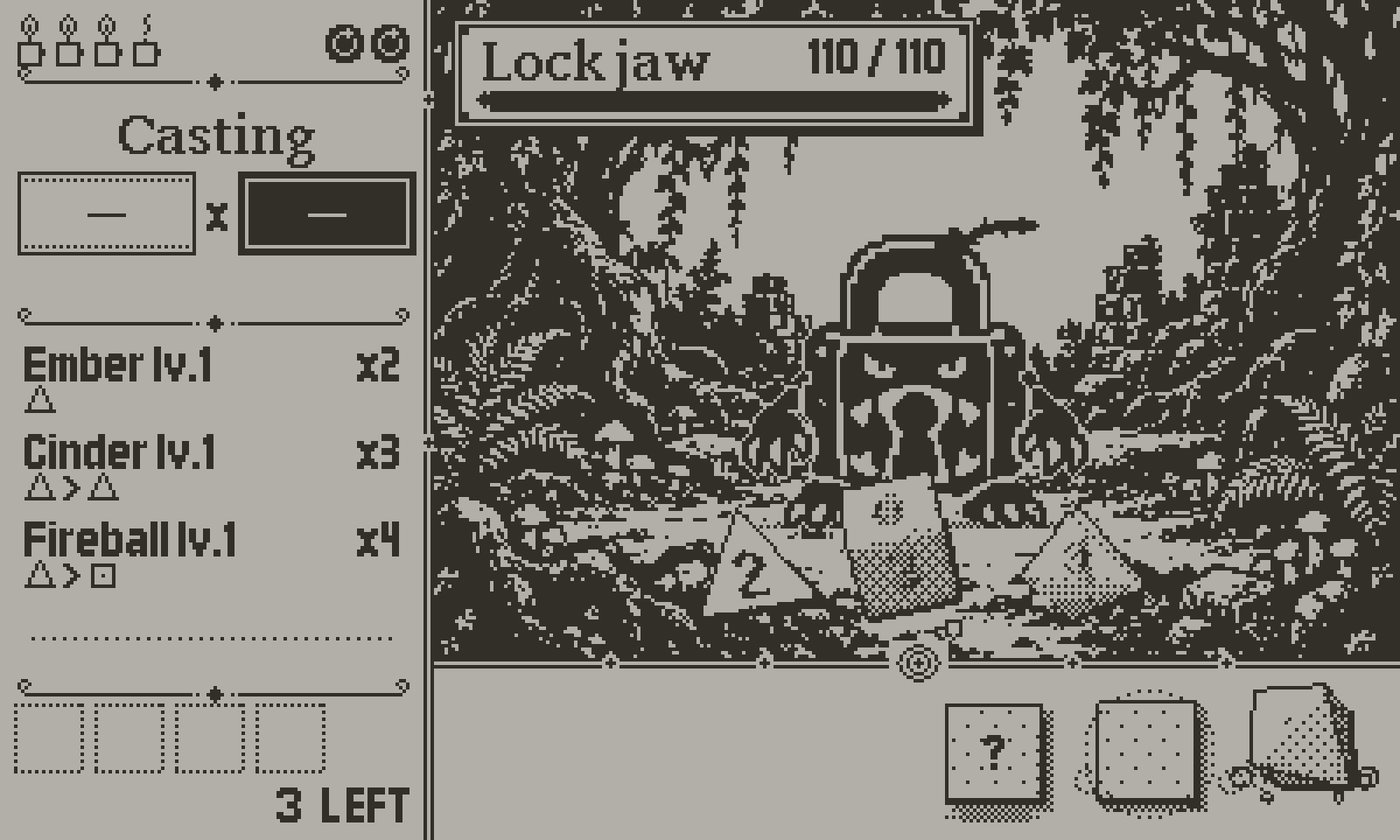
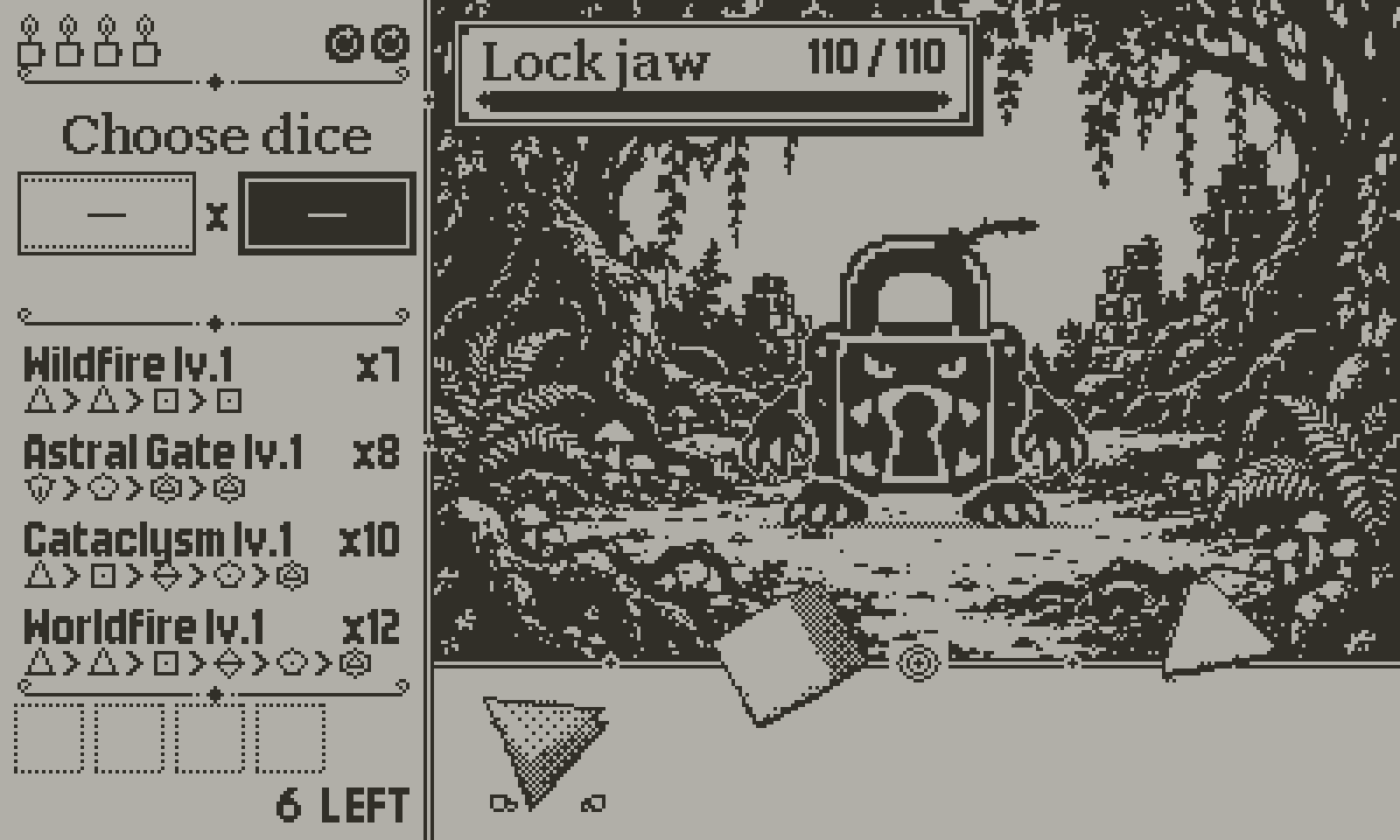
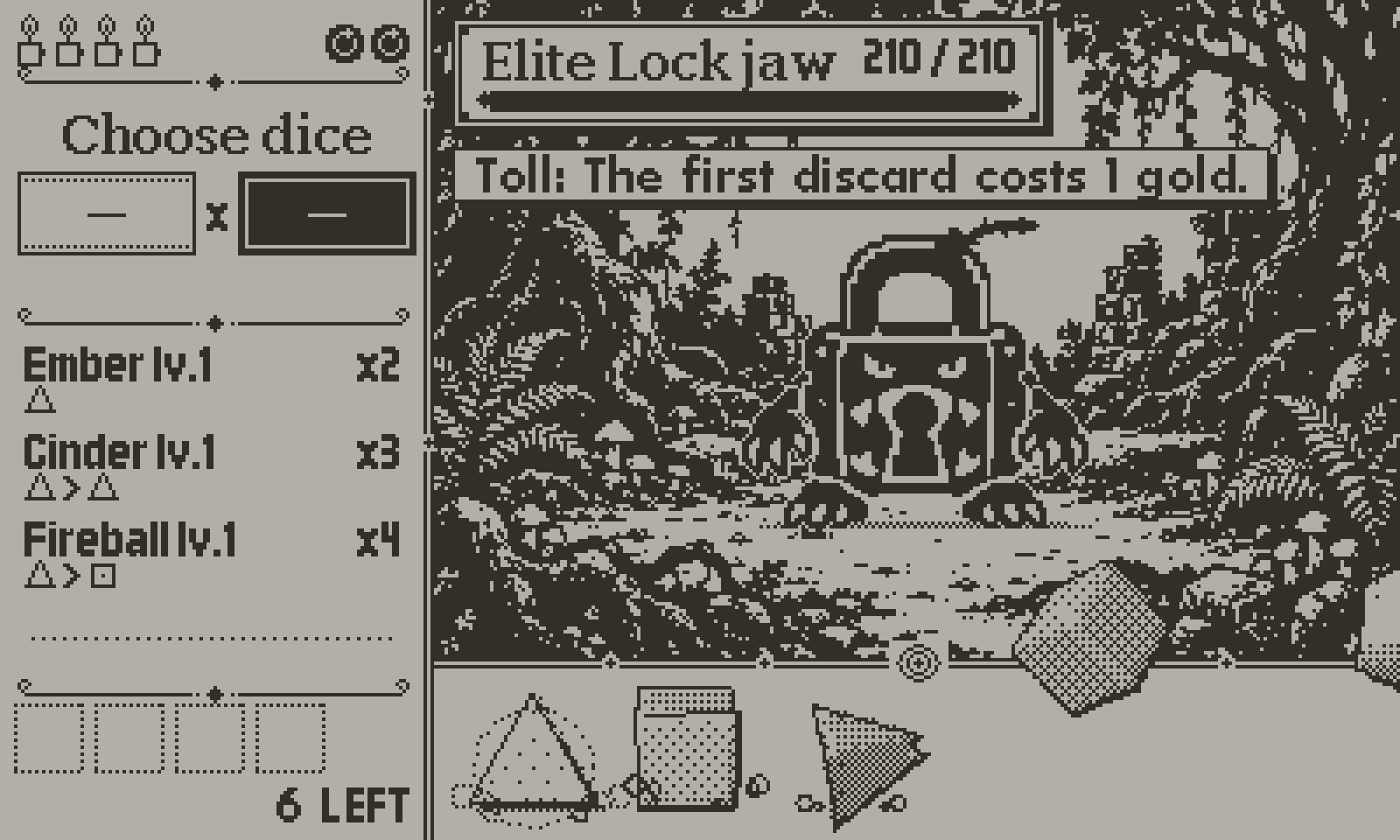
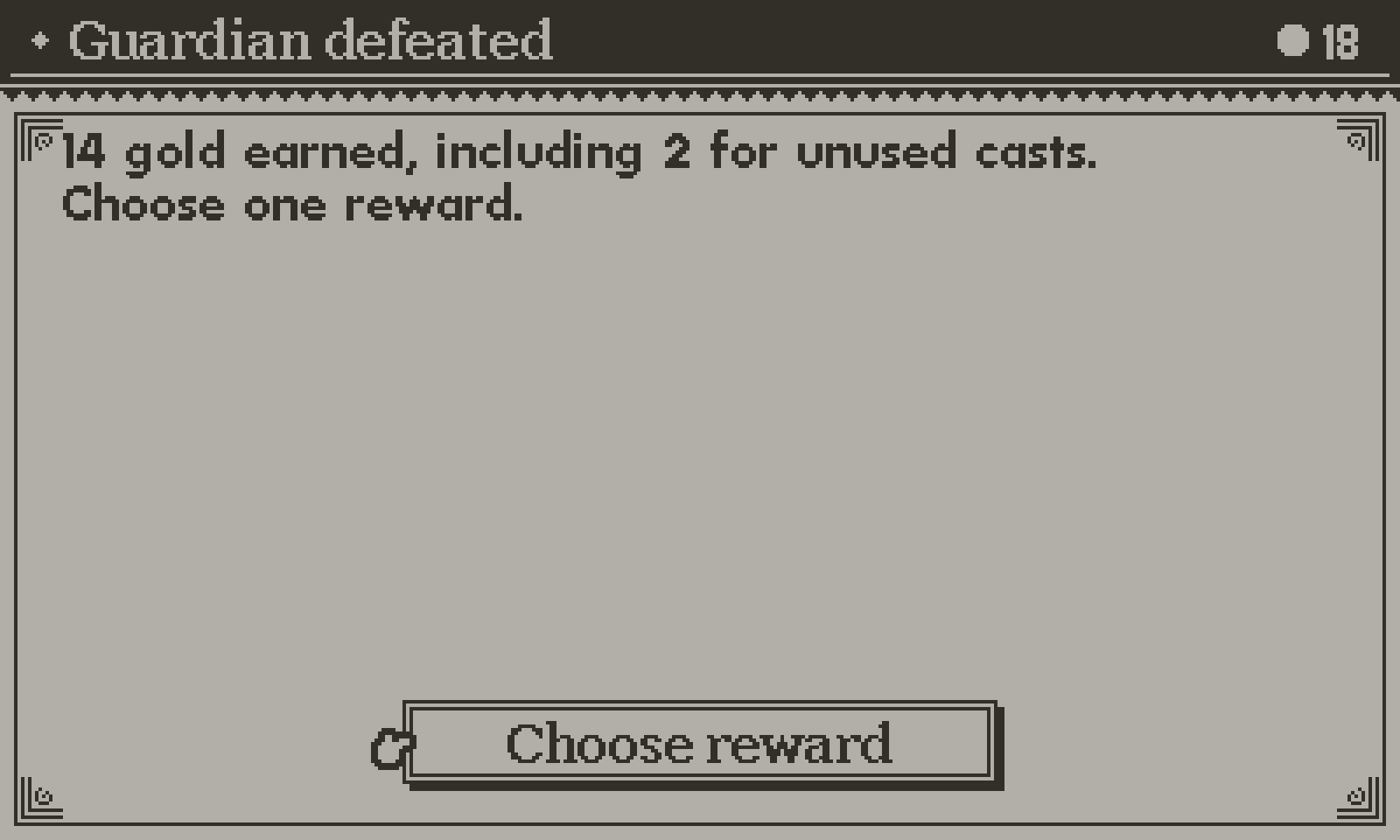
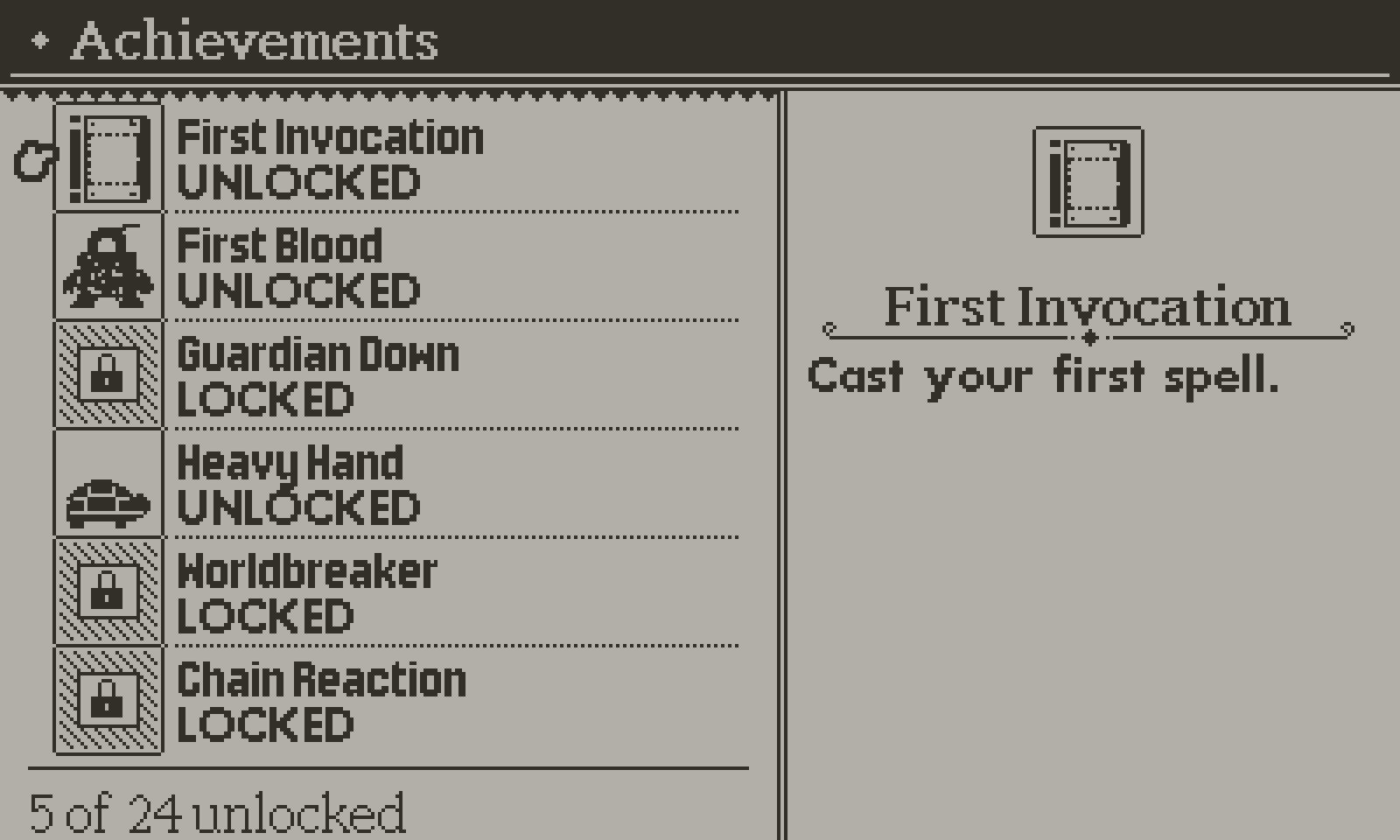
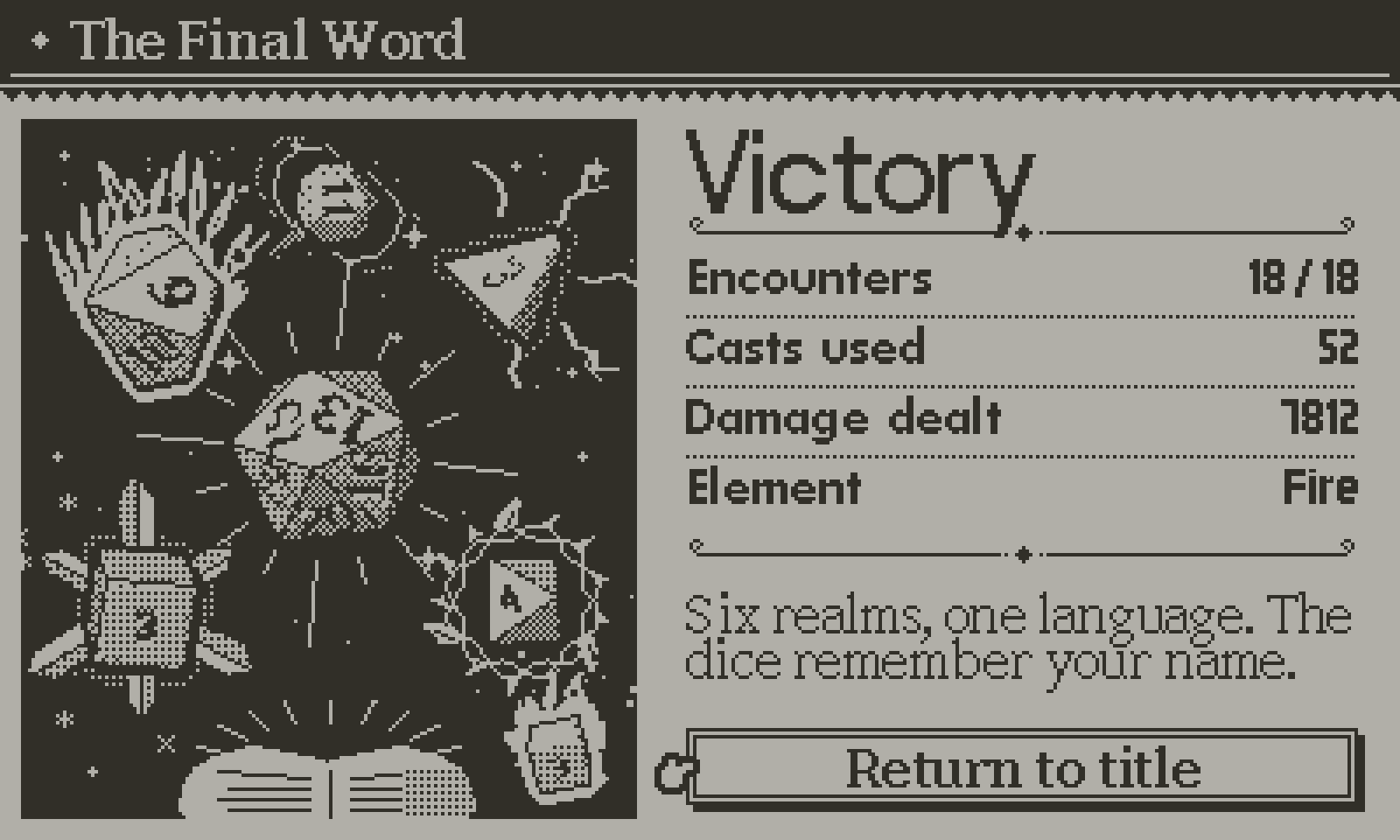
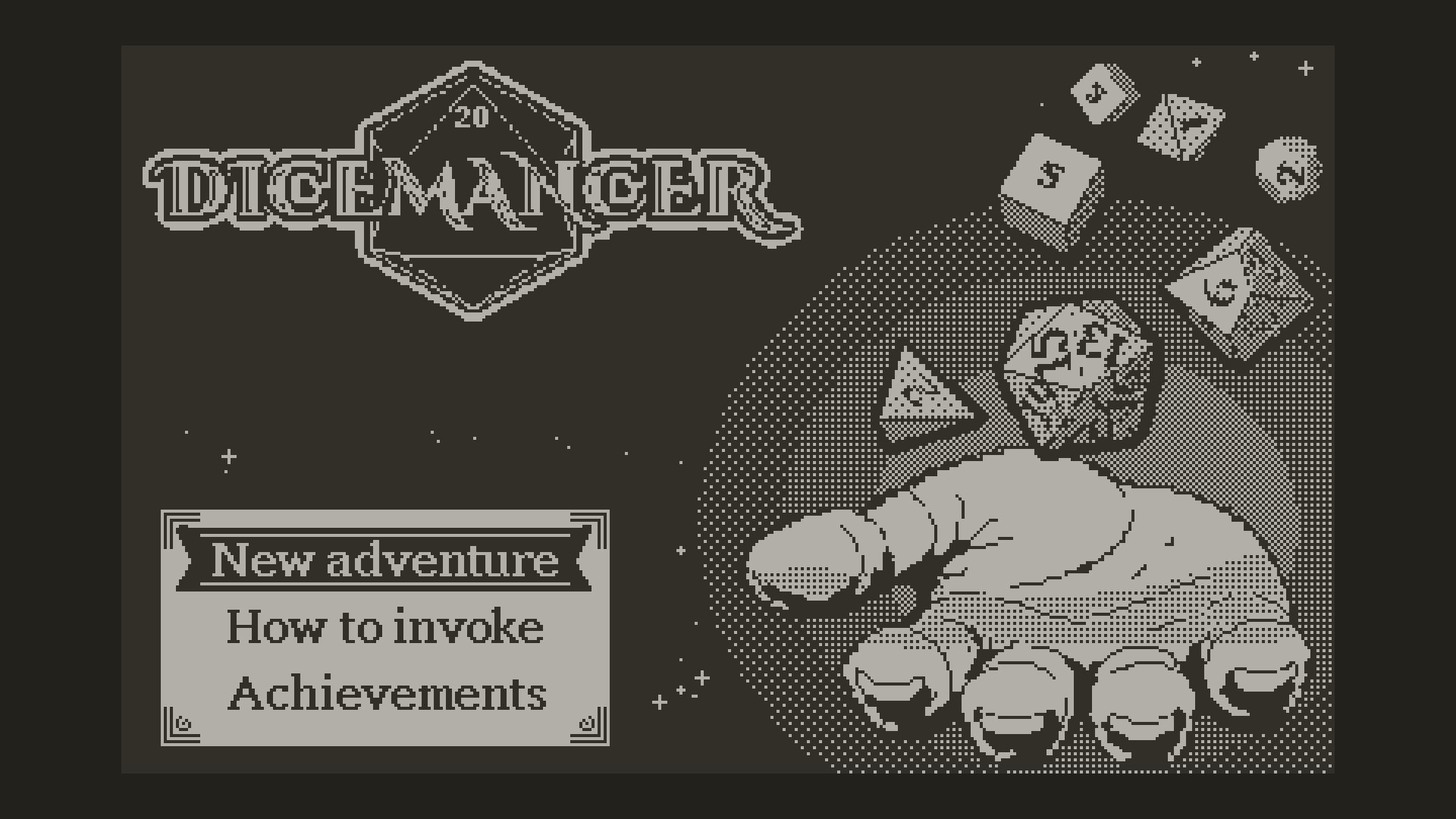
Title screenChoose an elementThe road branchesAct I · Briarwood RuinsPicked dice float above the handThrown dice settleSum × multiplierA grimoire of long recipesElite championThe DragonThe HydraThe Colossus, Act IIIThe night marketThe Shape SmithThe Hungry BookThe Gambler’s TableGrimoireFamiliarsRelicsBoss rewardAchievementsThe Final Word
All 22 screenshots are in screenshots/1x (native 400×240, pure black and white, exactly as the device draws them) and screenshots/4x (1600×960 in the Playdate screen’s grey tones). They were captured from the game running in the Playdate Simulator.
VII · Music & sound
Music & sound
Soundtrack
TitleLoop
The title screen theme.
The roadLoop
Walking the map between fights.
BattleLoop
The theme for ordinary fights.
GuardianLoop
The theme for act guardians.
The DragonLoop
The theme for the Dragon.
Night marketLoop
The merchant’s shop.
How to invokeLoop
The tutorial theme.
Jingles
Sound effects
Every sound is composed for Dicemancer. Previews are MP3; the 24 spells each have their own sound.
VIII · Background
Why a dice roguelike
Dice are the oldest random number generator, and a Playdate is a small enough console that a handful of them fit in your hand. Dicemancer began with a question: what if you could not see the dice, and the only thing you controlled was the order you picked them in?
That one rule is the whole game. A spell is a recipe, the recipe is a sequence of shapes, and the numbers stay hidden until you cast. You plan around what your dice can be, not what they are, and a good plan feels like remembering a word you had forgotten.
The design follows the shape of the great deck-building roguelikes: a branching map, a shop between fights, relics and a small book of spells. It swaps cards for dice, and swaps a deck for a satchel.
The whole game is drawn for the Playdate’s 1-bit screen: detailed black-and-white pixel art for each realm, creature and roadside story, dice rendered with real lighting, and static illustrations instead of constant animation.
The guardians
The BasiliskThe TollkeeperThe LamplighterThe BellringerThe WardenThe HydraThe SandmanThe StonewrightThe ArchivistThe DragonThe ColossusThe Marsh Hag
 Dicemancer · Press kit